
ABOUT TULF ACADEMY
The TUL Foundation Academy is the learning and capacity-building initiative of TUL Foundation. It aims to nurture a new generation of urban thinkers, designers, and practitioners committed to shaping safer, more inclusive, and resilient cities.
As Indian cities continue to urbanize rapidly, there is an increasing demand for practical and effective solutions for sustainable urban development. Responding to this need, TUL Foundation Academy brings together students, professionals, government officials, and community members who want to develop the skills required to design streets and public spaces that respond to the realities of Indian cities. Our courses combine theory, real-world case studies, and hands-on exercises, delivered by practitioners who have been directly involved in designing and implementing street projects across Indian cities.
Street Design for Livable Cities
Why street design matters?
Think about the streets in your city.
Are sidewalks continuous and comfortable to walk on?
Can children cycle safely?
Can seniors cross the road with ease?
Do street vendors, pedestrians, cyclists, and vehicles coexist safely?
If the answer to most questions is no, there is a need to intervene. if you feel the urge to make a difference, this course can be a starting point.
Streets are far more than transport corridors. They are the largest public spaces in our cities–places where people walk, meet, work, shop, and move every day. The way streets are designed directly influences road safety, accessibility, local economies, environmental quality, and overall quality of life in cities.
Across India, governments and city administrations are increasingly recognising this. Programs promoting Complete Streets, Safe Streets, and pedestrian-friendly infrastructure are gaining momentum. Cities are investing in redesigning streets to make them safer, more inclusive, and more vibrant. But transforming streets requires more than intent. It requires professionals who understand how to design streets that balance safety, movement, accessibility, and urban life.
This course is curated for people who want to shape streets that are safe and joyful and contribute to build healthier cities.
Join us and be the one to create that transformation.
And when streets are designed for people, they improve the quality of life across the city.
Street Design
For Livable Cities
Flagship Course
Program duration
6 Weeks ONLINE
First Cohort
10th April 2026
This course demystifies the fundamentals of street design and equips participants with the knowledge and tools needed to translate ideas into practical and implementable solutions.
At TUL Foundation Academy, we believe that well-designed streets create thriving cities, and thriving cities enhance the quality of life for everyone. Our vision is to strengthen urban leaders with the skills, confidence, and compassion needed to drive meaningful transformation in the cities they serve.
Learn
From urban design practitioners
Gain
From 20+ years of on field experience
Address
Real world challenges
COURSE CURRICULUM
Time Commitment: 6 weeks (1.5 hour live sessions every week on Friday evening from 06:00 to 07:30pm IST)
Course format: Online, Instructor led live sessions
Language: English
Eligibility: Open for all
Introduction to streets, design principles and methodology. Learn about street hierarchy, network and as a multifunctional public space considering their social, economic and cultural dimensions.
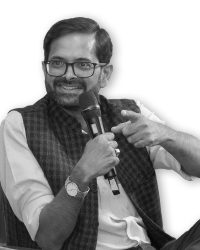

Support Team
Shelly Kulshrestha
Aanan Sutaria
An Architect and Transport Planner with 16+ years of experience at the intersection of street design, road safety, and sustainable mobility — dedicated to designing streets that put the most vulnerable users first.
Kinjal Pillai
Sustainable development practitioner with 17+ years of experience in urban resilience, climate change, and inclusive planning — building collaborative spaces where research, policy, and people come together for safer cities.
Yug Mehta
Architect and visual storyteller who brings the people and places behind TUL Foundation’s mission to life through photography, videography, and creative communication.
Aviral A.
Urban designer with 6+ years of experience in street design, multimodal integration, and NMT infrastructure — translating systemic, people-first thinking into built projects across Ahmedabad, Gandhinagar, and beyond.
Dhwani Sahetai
Architect and urban designer with 5 years of experience transforming streets and public spaces through sensitive, people-centric design — with built work spanning junctions, lakefronts, and streetscapes across multiple Indian cities.
WHOM IS THIS
COURSE FOR?
This course is designed for anyone who wants to shape safer, more inclusive and better designed streets in Indian cities and beyond. Whether you’re entering the field or already working in urban development, this course will equip you with practical tools and design skills — for students, practitioners, and enthusiasts a like.
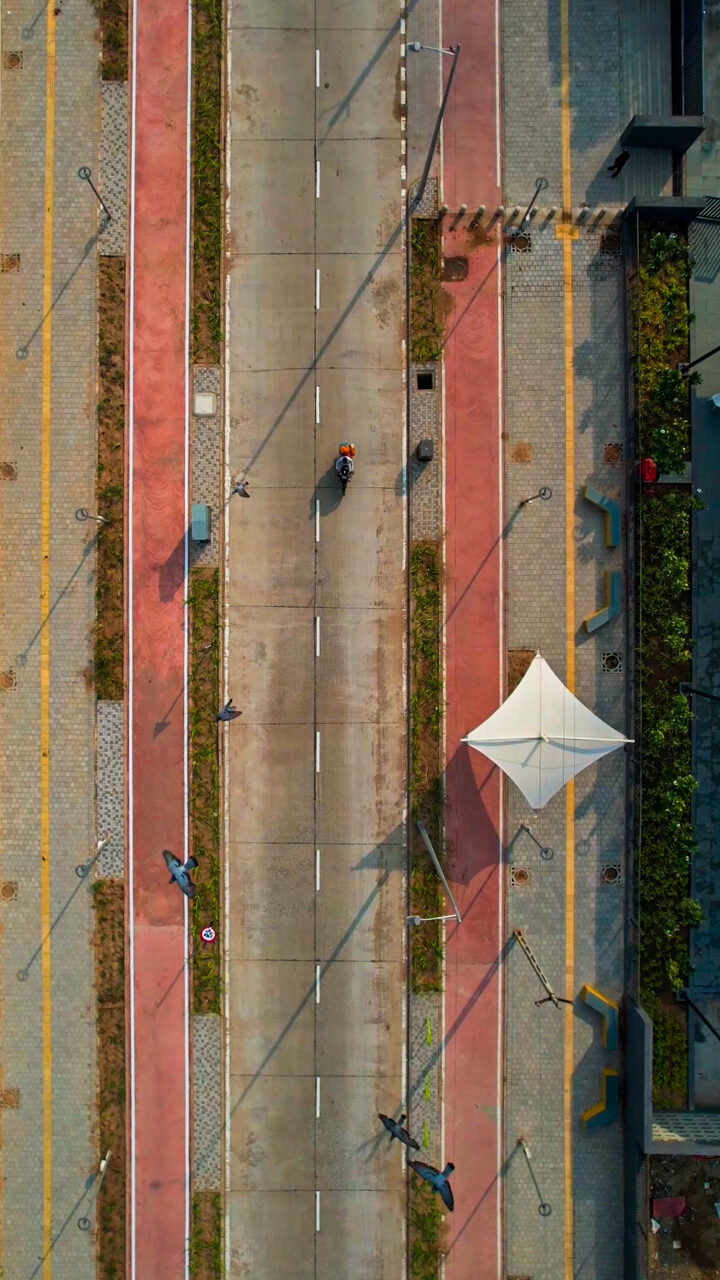
WHAT MAKES THIS COURSE UNIQUE?
Gain Practical, Implementation Oriented Learning
Learn Through A Real Street Design Exercise
Learn From Practitioner
Understand How Projects Move From Design To Execution
Address Real World Challenges of Street Design and Implementation
Join the Community Of Urban Practitioners
FAQs FOR THE STREET DESIGN FOR LIVABLE CITIES ONLINE COURSE
This course is designed for urban designers, planners, architects, civil engineers, government officials, transport professionals, students, and anyone interested in people-centric street design. No prior technical experience is required.
This course is designed for urban designers, planners, architects, civil engineers, government officials, transport professionals, students, and anyone interested in people-centric street design. No prior technical experience is required.
The course comprises of 6 module featuring weekly live instructor-led sessions, downloadable learning material, technical exercises, case studies, and interactive discussions. Sessions are recorded and accessible later.
All participants who complete the assignments successfully and attend minimum four sessions will receive a Certificate of Completion from TUL Foundation Academy.
No. The course starts with fundamentals and gradually builds toward practical applications. However, basic knowledge of urban planning or transport will be helpful but not mandatory.
Each session is 1.5 hours, including lecture, interactive discussions, activities
The course is scheduled for 6 weeks, from April 10 to May 15, 2026. The session will be held on a Friday evening. A final project is due after the 6 modules end.
Yes. Participants will work on exercises such as street observations and design-based assignments.
Yes. Participants will develop a street redesign project applying the concepts learned during the course.
Yes. Instructors and co-tutors will provide feedback on assignments and the final project.
Yes. Sessions include interactive elements such as polls and discussions, real-world case examples, and participant sharing.
Yes. Participants can engage through live Q&A sessions, assignment feedback, and discussion groups.
You will need stable internet connection and laptop or desktop.
You will gain practical street design skills, develop a portfolio-ready project, and build knowledge relevant to careers in urban mobility, planning, and design.
Recordings will be available during the course period. You will also have access to all shared learning materials.
Click the registration link on our website or social media pages. Once you register, our team will share payment details and guide you through the next steps.
Yes. We offer group training options. Please contact us at courses.tulfoundation@gmail.com for more information.
The course fees is Rs. 12,000. Discounts may be available for students and group enrolments.
The course will primarily be conducted in English. Instructors may use Hindi for clarification if required.
Fees are non-refundable. However, in case of unforeseen circumstances, your enrolment may be transferred to a future cohort.