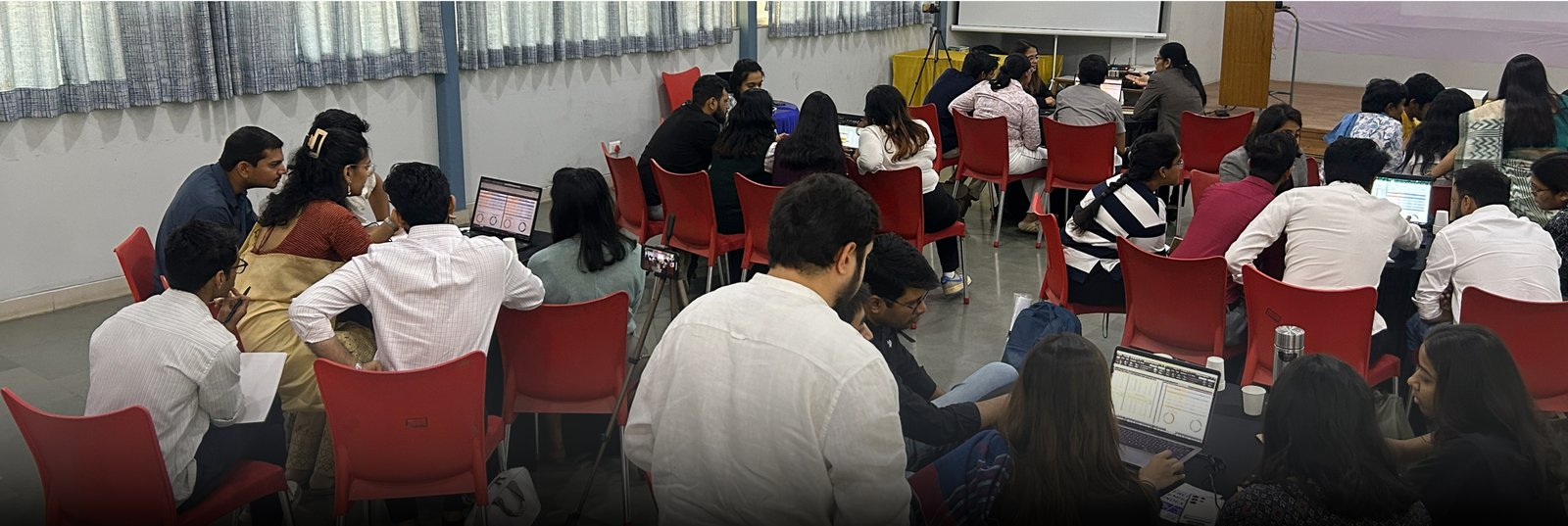
Knowledge dissemination workshop on Freight Emission Index
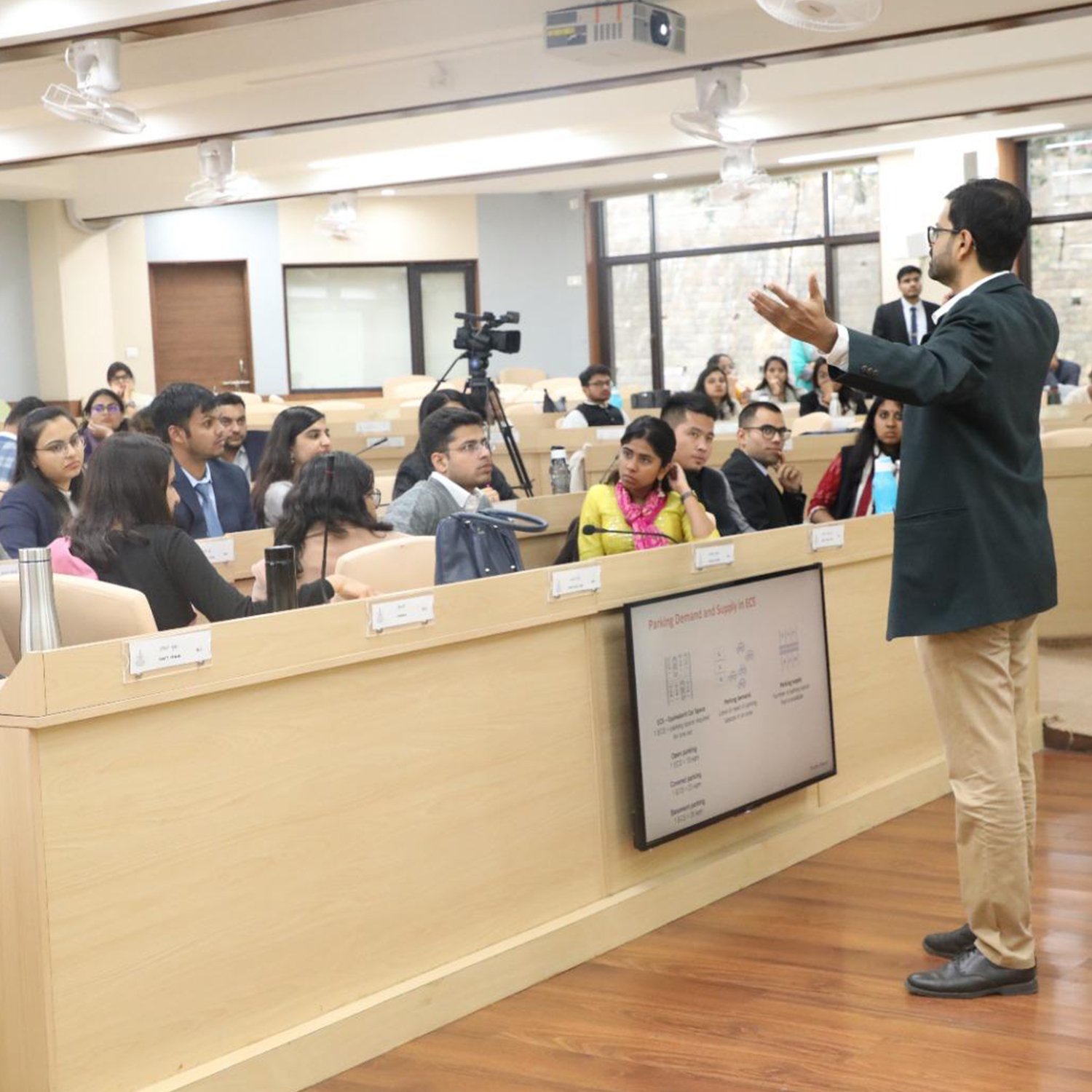
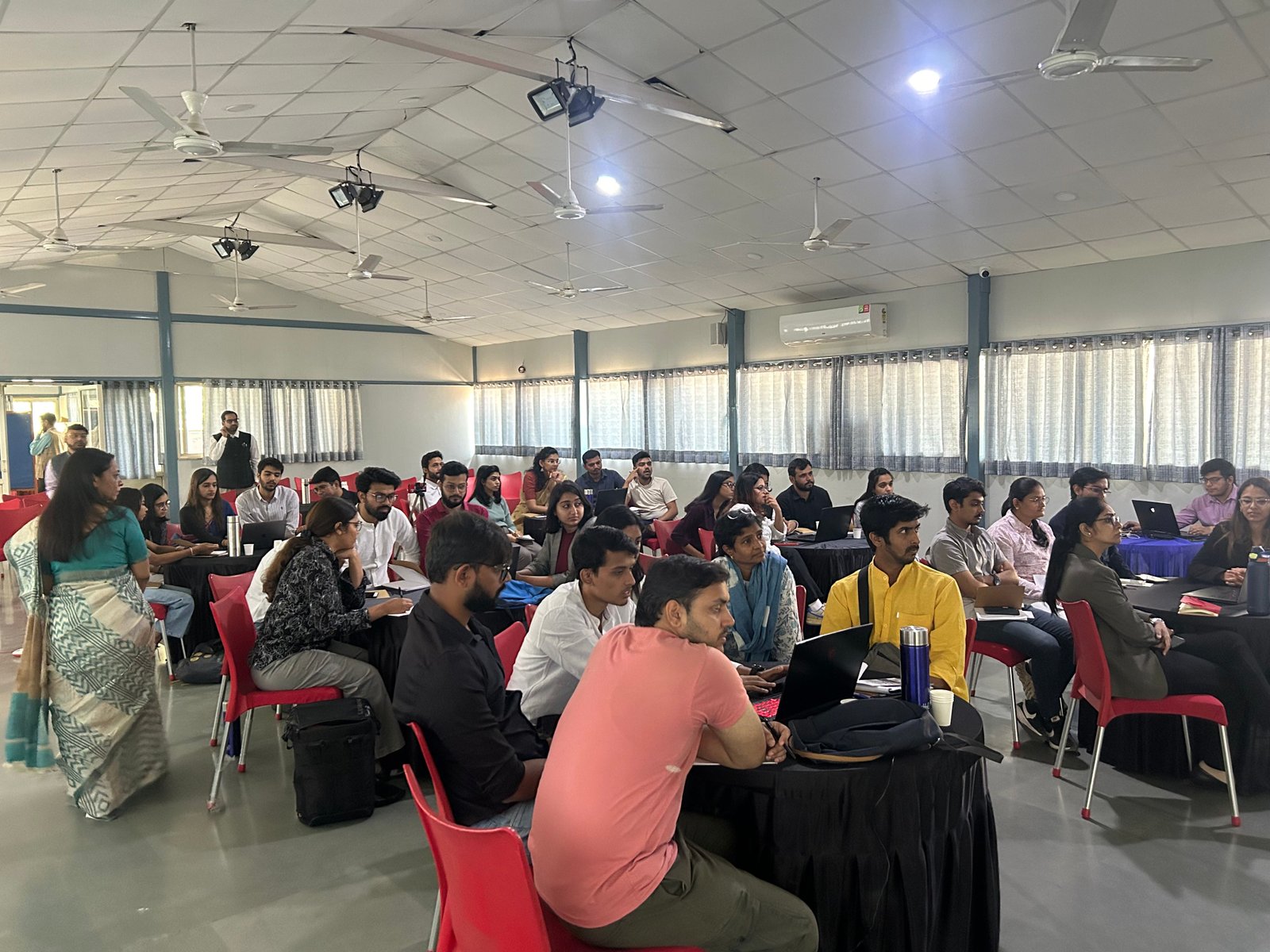
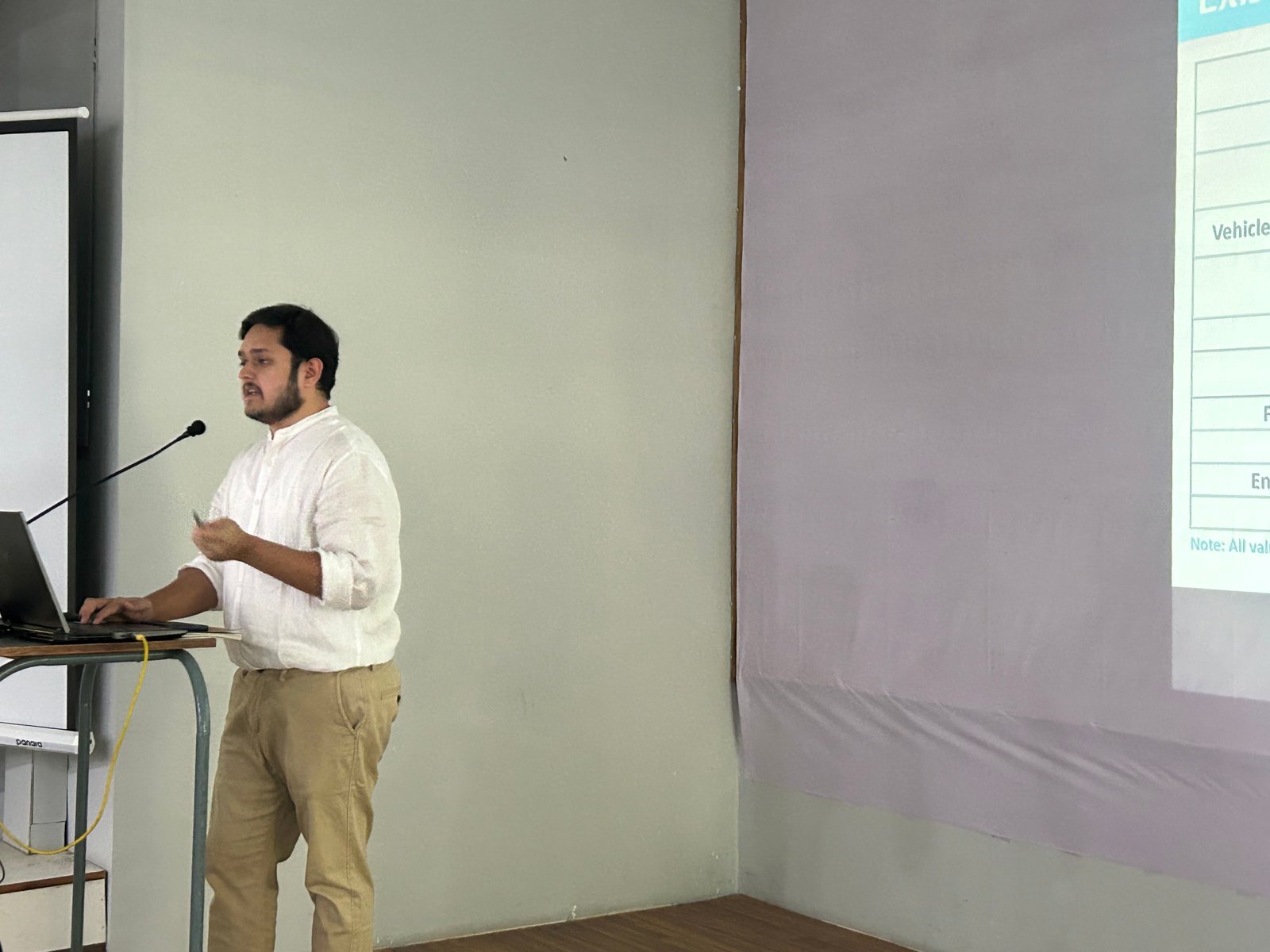
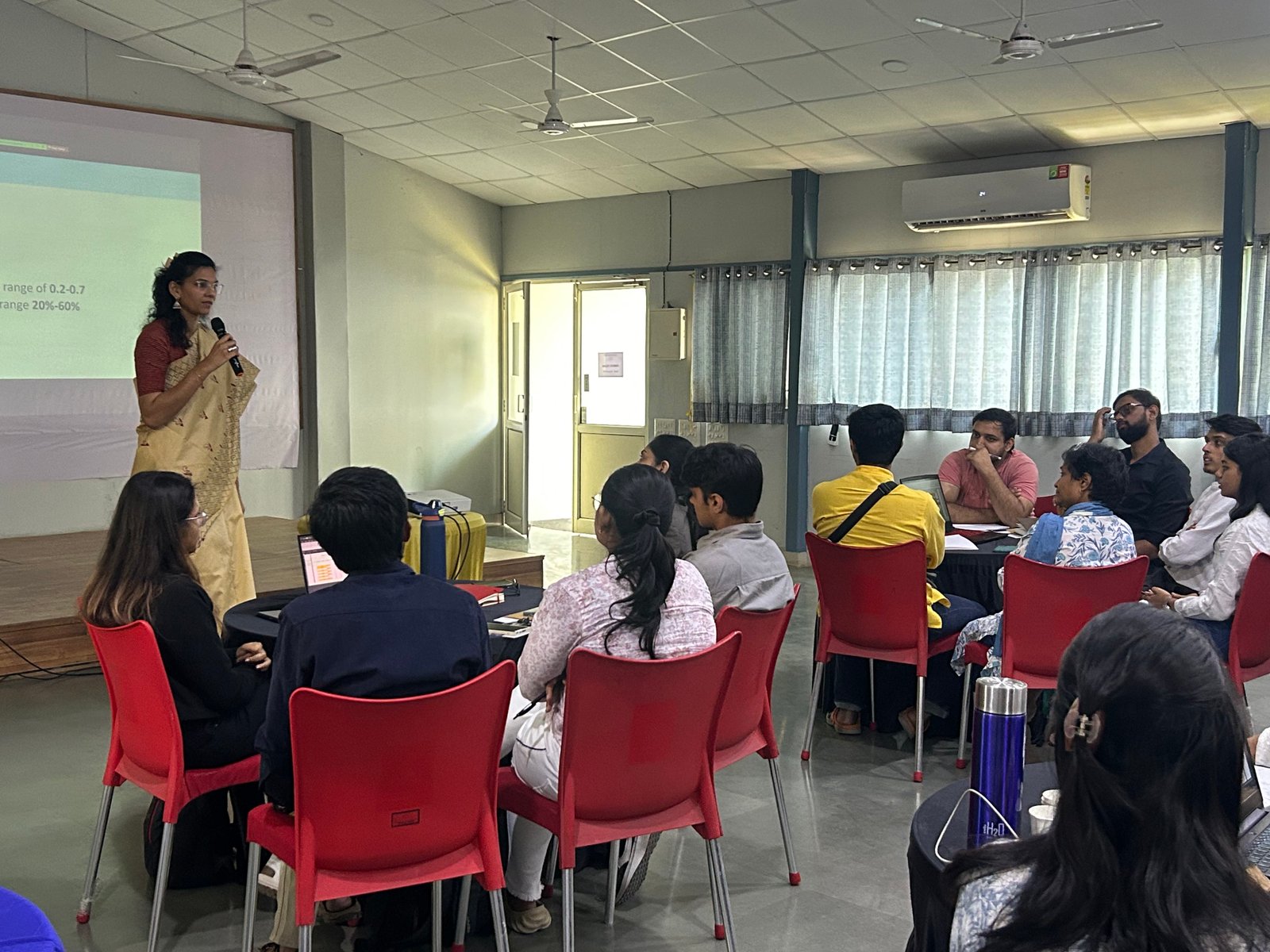
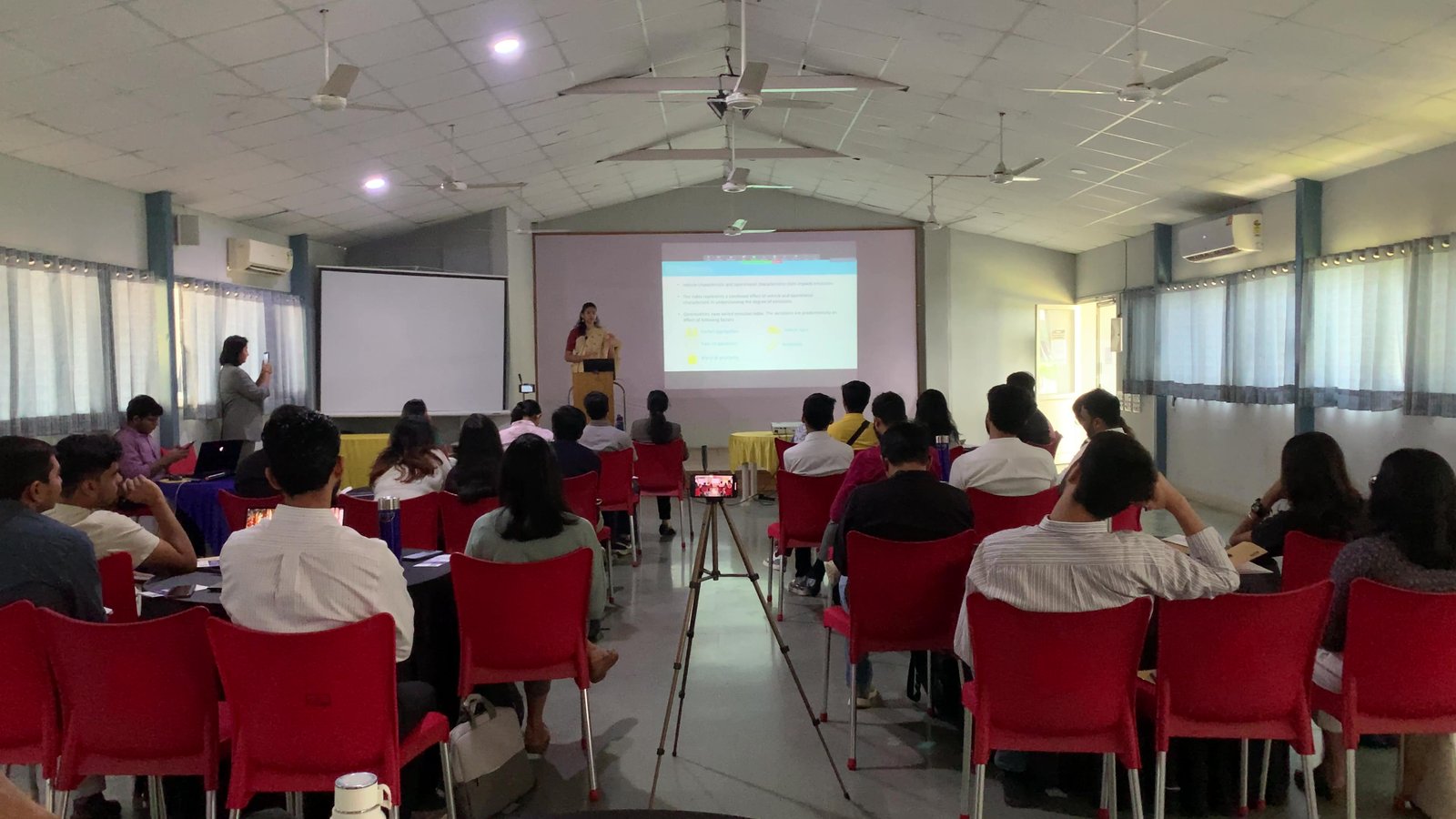
TUL Foundation hosted a knowledge dissemination workshop on the ‘Freight Emission Index’ on 24th February 2024 as part of a study funded under the UK-Aid HVT program. The workshop focused on the Freight Emission Index as a tool to assess and mitigate freight-related emissions in urban areas. It brought together policymakers, researchers, academic institutions and urban practitioners to discuss sustainable freight systems and emission reduction strategies.
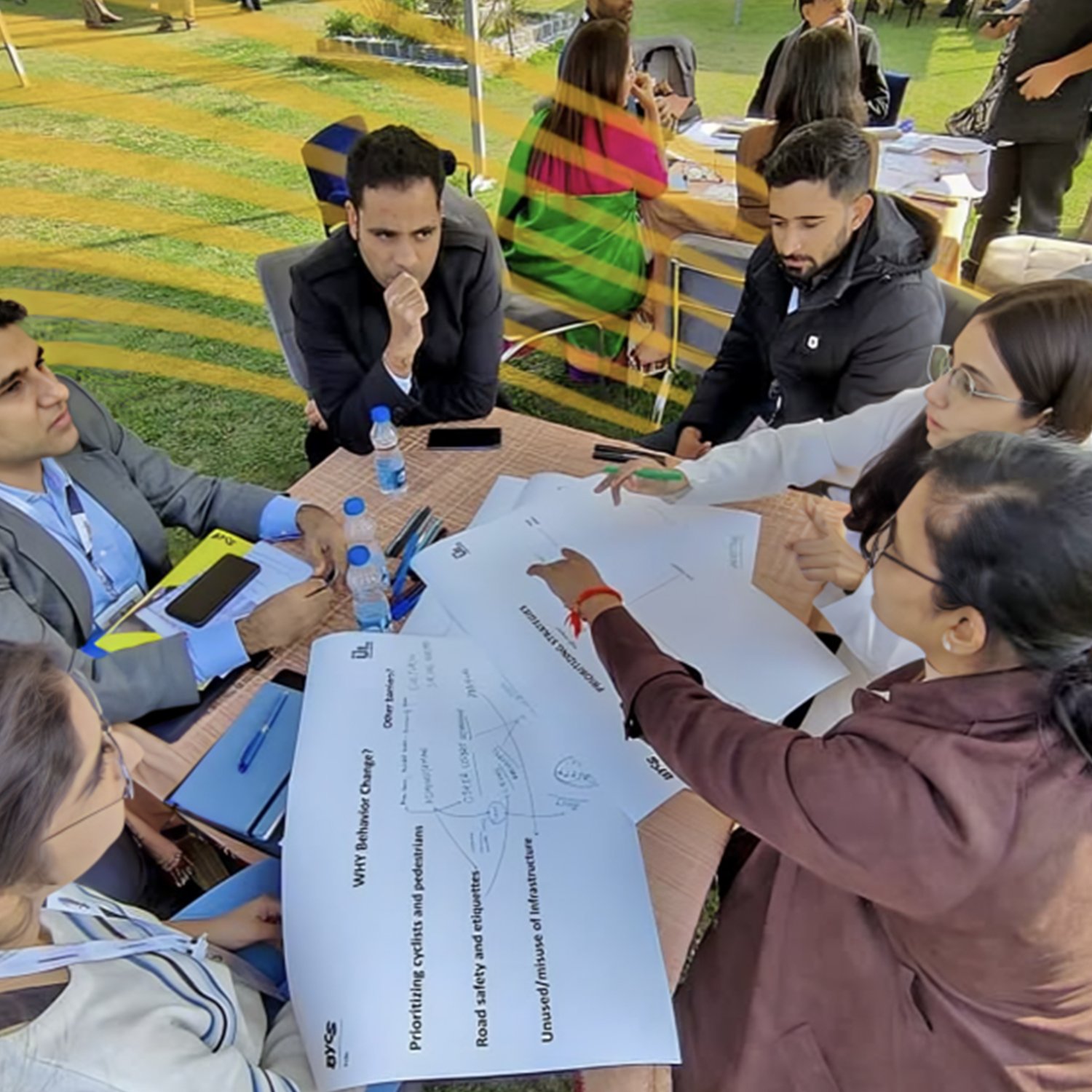
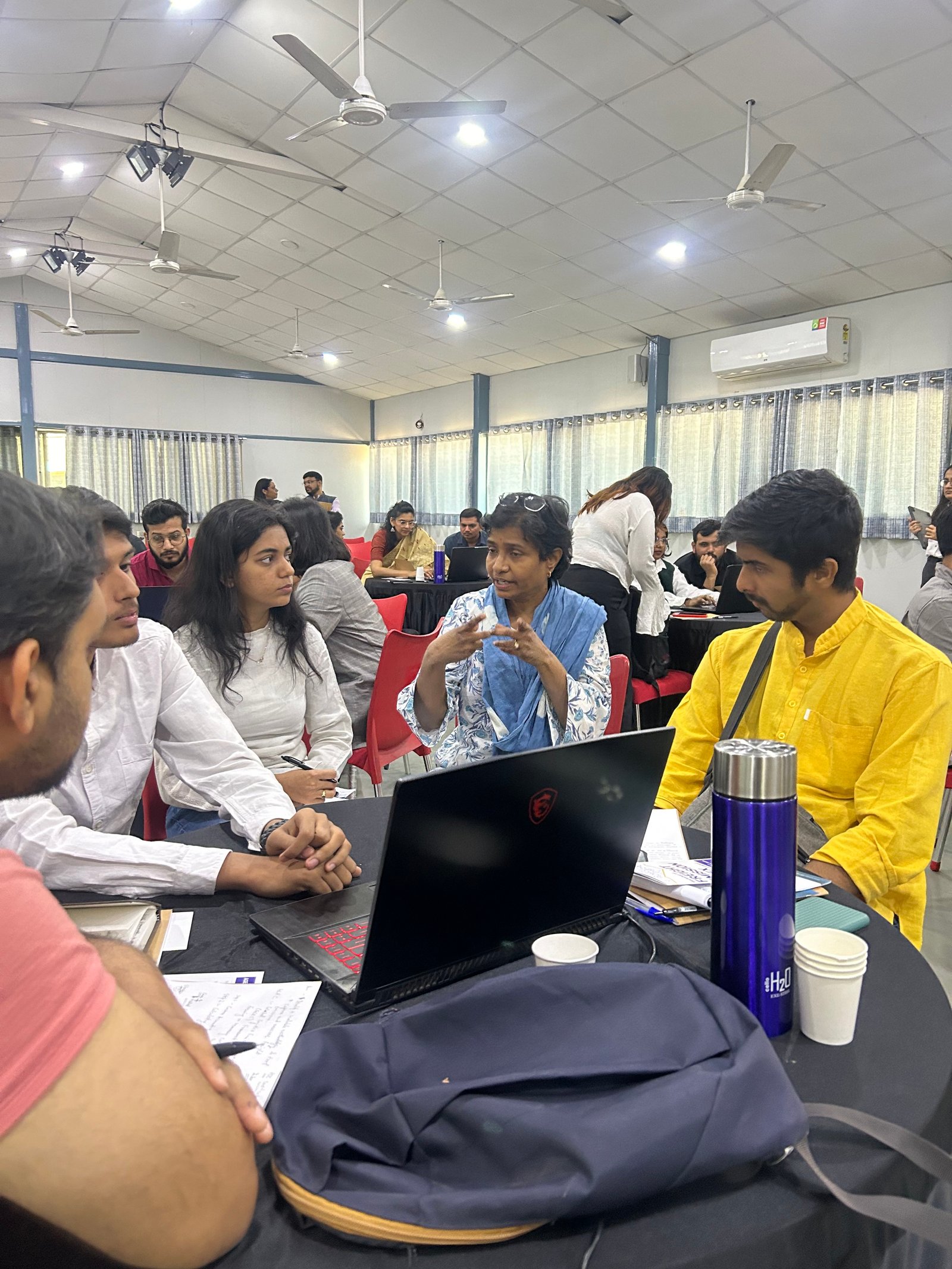
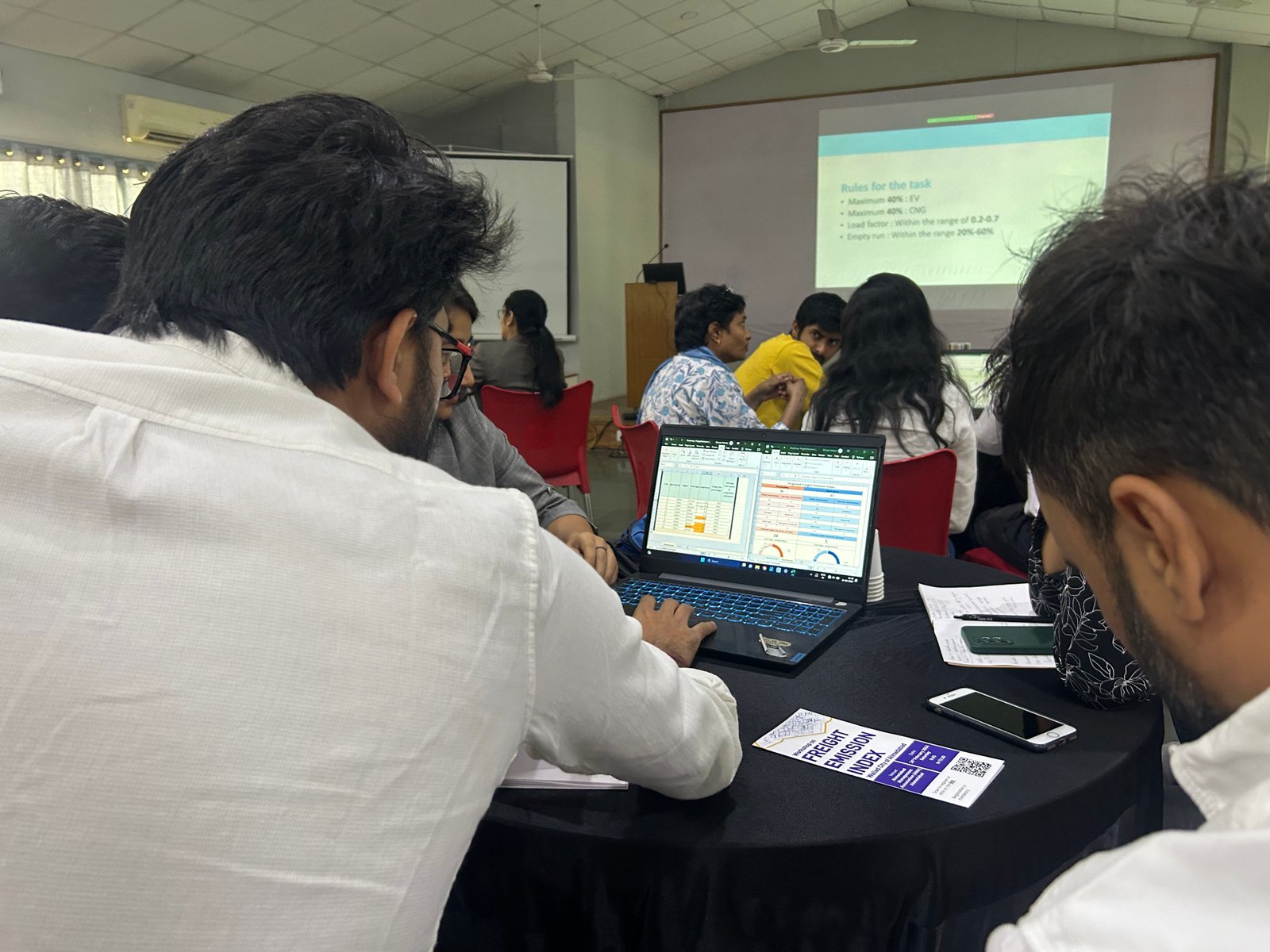
The workshop included dissemination of study findings, a hands-on exploration of the Freight Emission Index dashboard and collaborative brainstorming sessions to identify actionable emission reduction measures. A panel discussion featuring Dr. Debjit Roy, Dr. Neha Upadhyay and Amit Bhatt focused on the opportunities and challenges associated with implementing freight emission reduction strategies in Indian cities.
Outcomes
- Disseminated key findings from the Freight Emission Index study funded under the UK-Aid HVT program.
- Conducted an interactive demonstration of the Freight Emission Index dashboard to familiarise participants with its applications and analytical framework.
- Facilitated brainstorming sessions to identify practical strategies for reducing freight-related emissions in urban areas.
- Organised a panel discussion on implementation challenges, opportunities and policy considerations for freight emission reduction.
- Enabled engagement among government agencies, researchers and academic institutions on sustainable freight planning approaches.
- Brought together stakeholders from Ahmedabad Municipal Corporation, Indian Institute of Management Ahmedabad and CEPT University to strengthen collaborative dialogue on freight sustainability.
Impacts
- Knowledge dissemination: Increased awareness and understanding of freight emissions and data-driven mitigation strategies among key stakeholders.
- Stakeholder collaboration: Fostered dialogue between government agencies, researchers and practitioners working on sustainable urban freight systems.
- Advancing sustainable freight planning: Encouraged the adoption of evidence-based approaches and analytical tools for reducing freight emissions in cities.
- Capacity building: Strengthened stakeholder understanding of freight emission assessment and implementation strategies through interactive engagement and discussions.