Safer School Zones
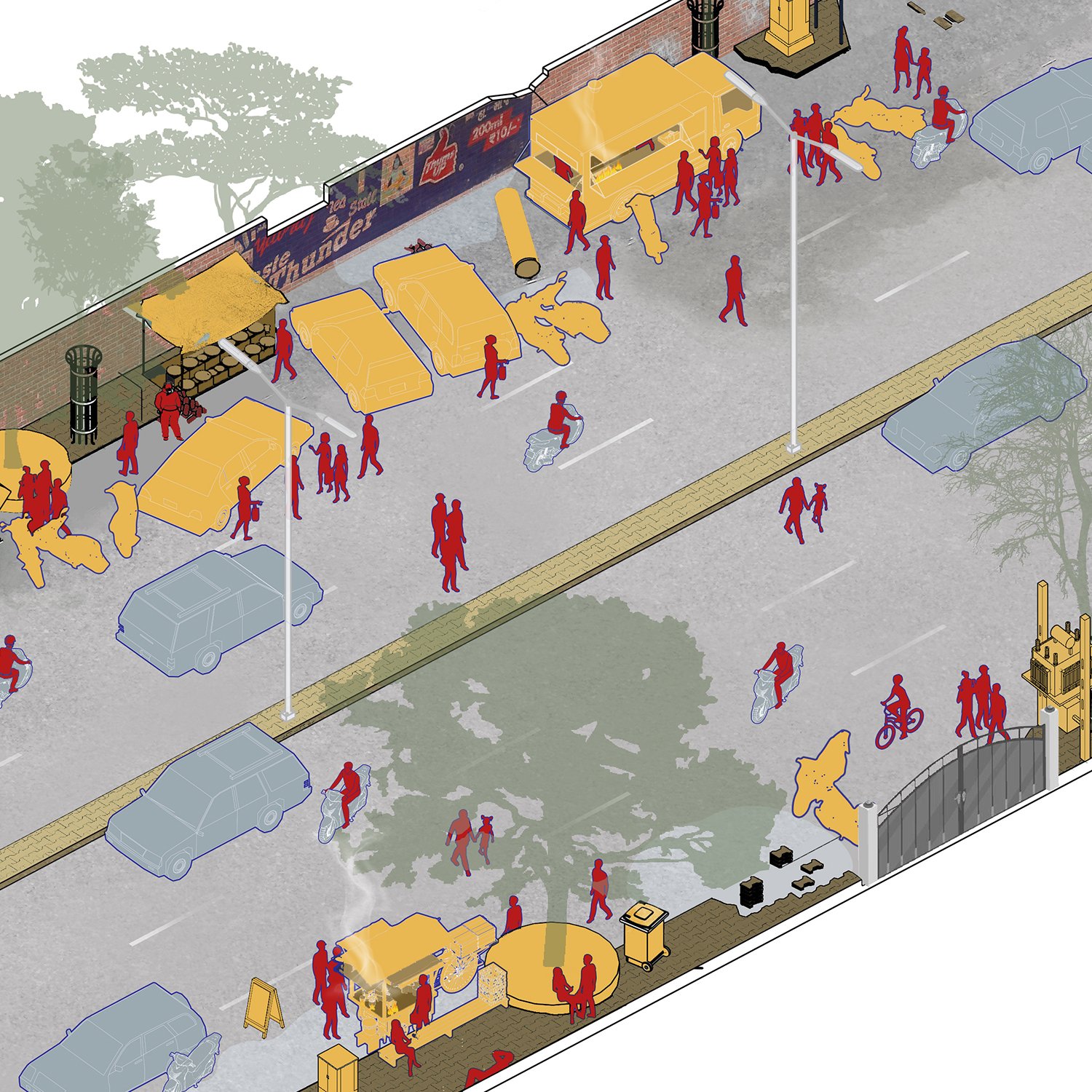
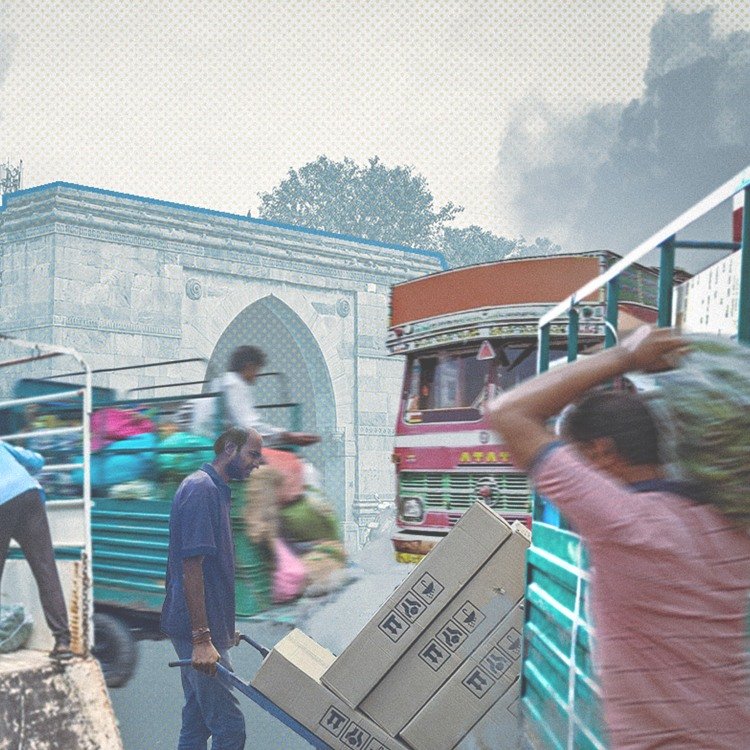
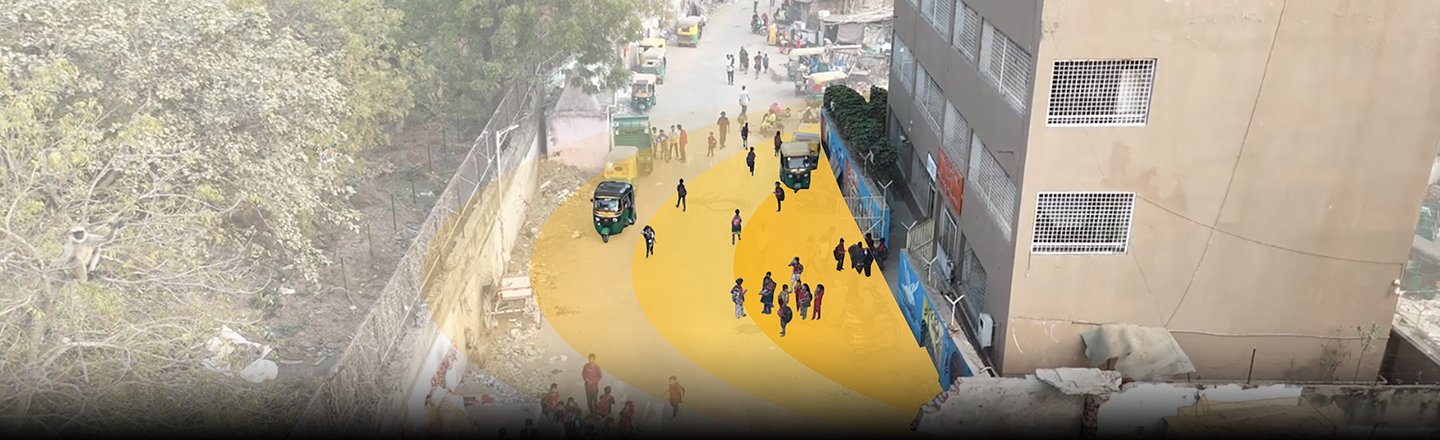
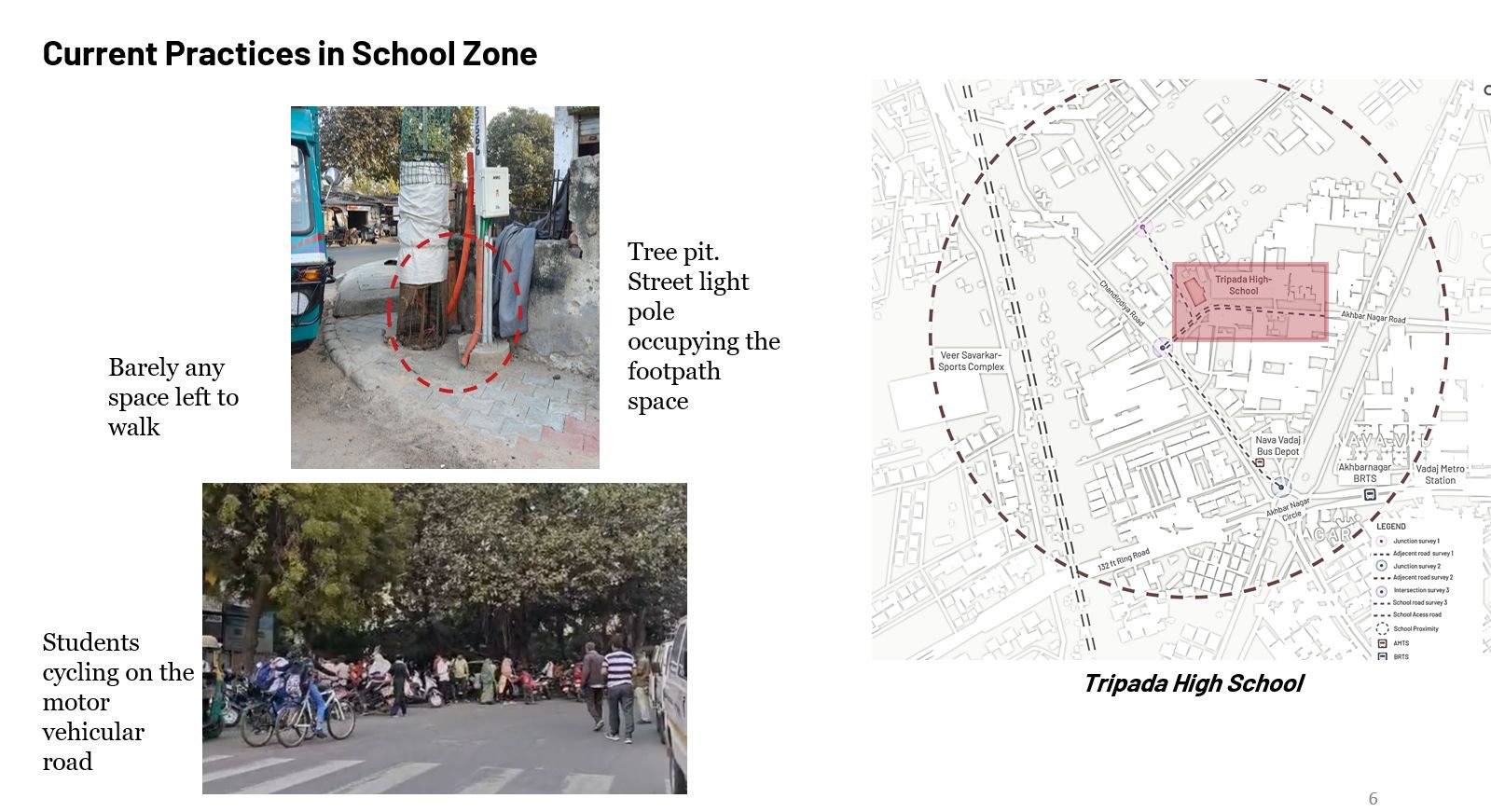
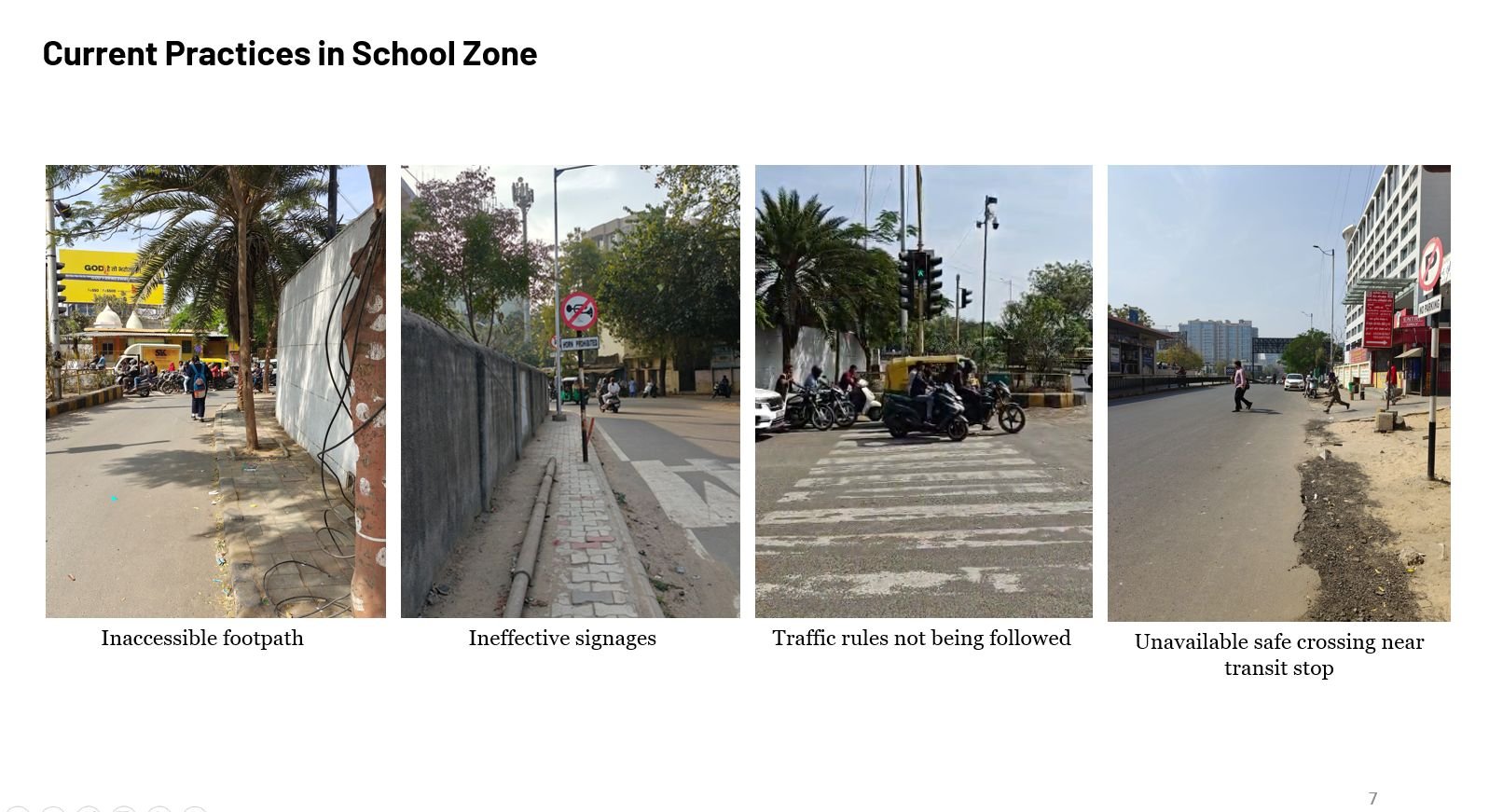
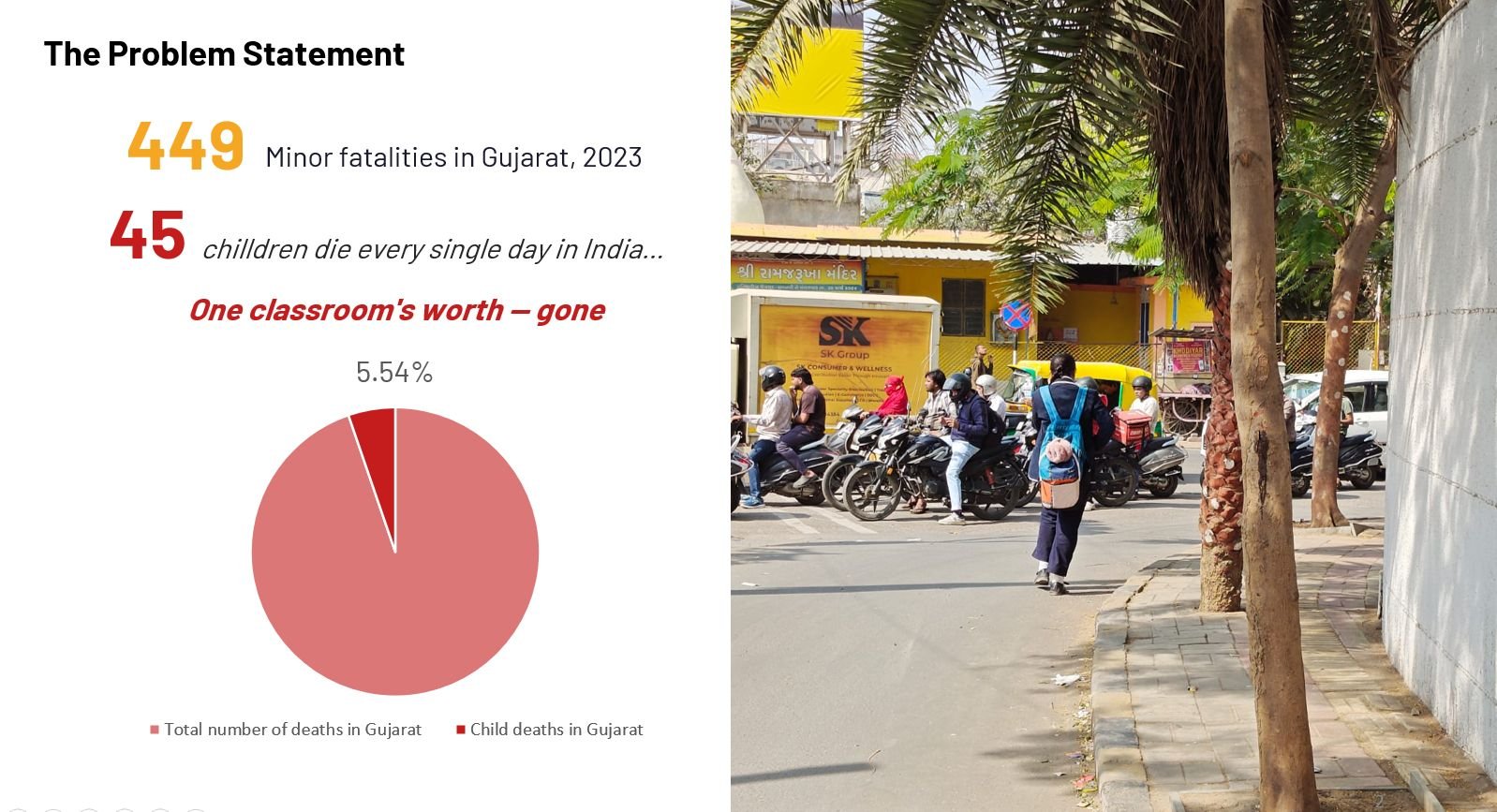
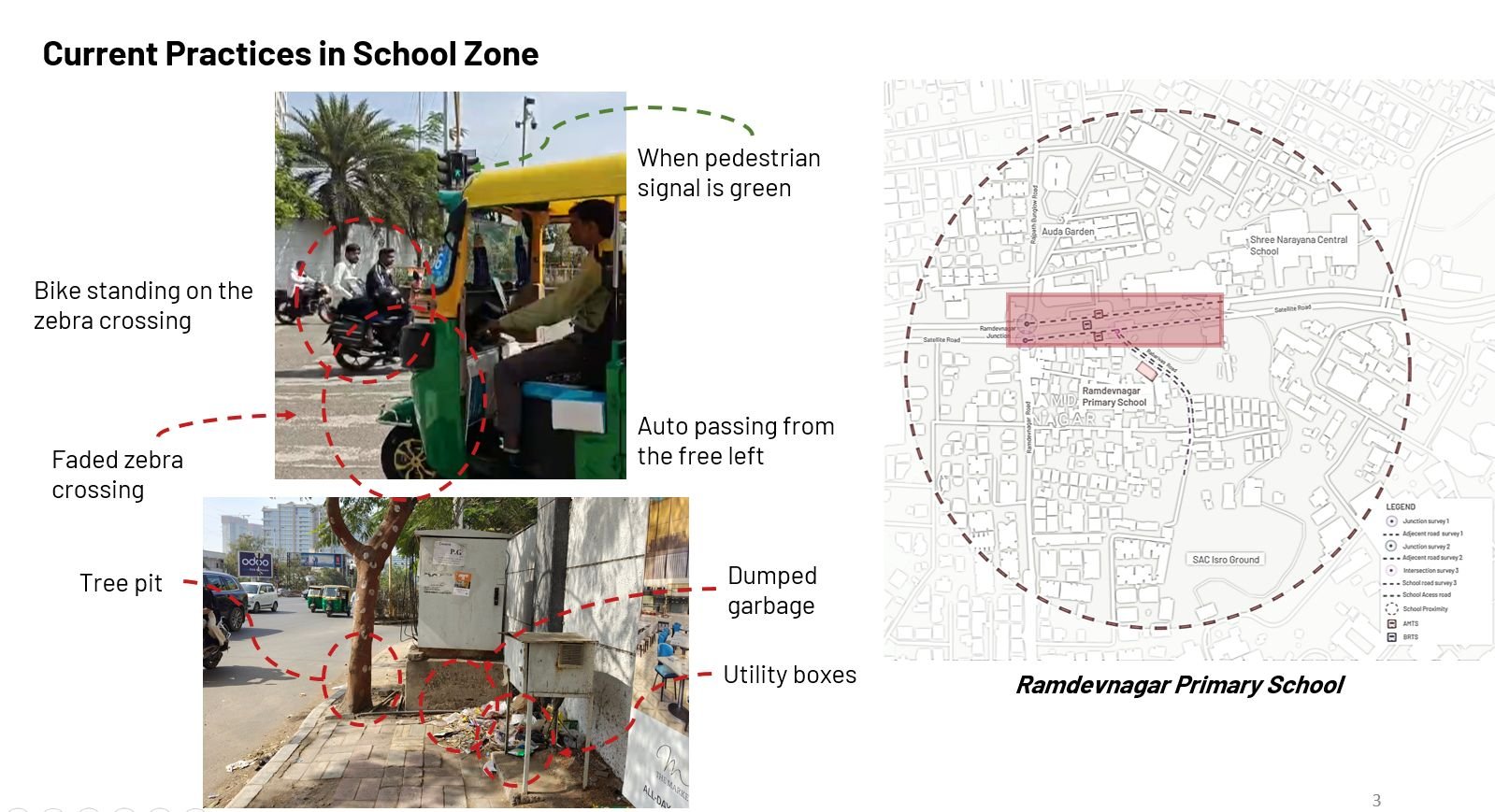
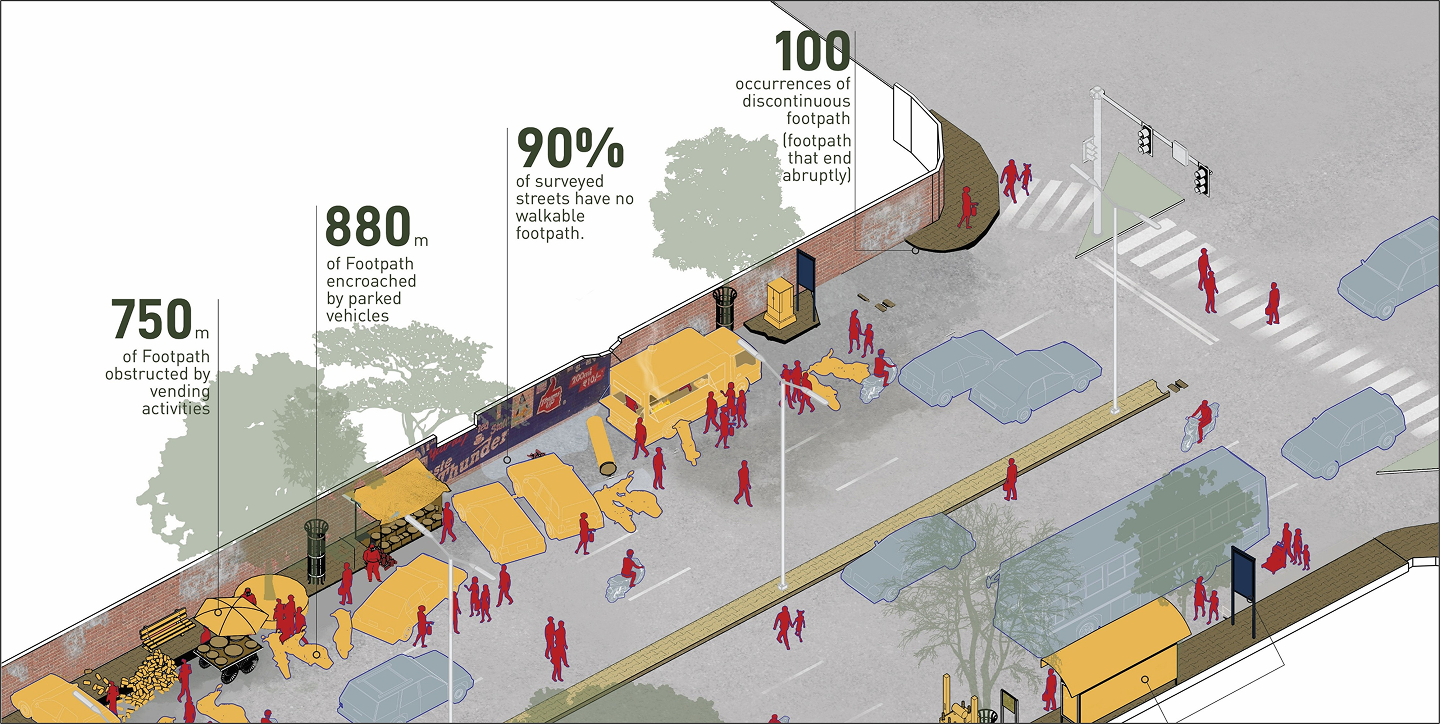
Despite being places frequented by children, they are often treated like any other urban road in India which have speeding traffic, lack of safe pedestrian and cycling infrastructure, unsafe crossings, lack of signages and markings, and inadequate enforcement. Thus, children in India face disproportionately high risk on roads around schools. In 2023, total traffic related fatalities of minors were 9489, which is 5.5% of total road crash fatalities in India, and there were 1434 fatalities around schools and colleges. The initiative responds to the urgent need to prioritise child safety, independent mobility, and dignity in everyday school journeys, while shifting road safety conversations from individual behaviour to street design and systems-level accountability.
"Road traffic injury is the leading cause of death of children and adolescents in India."
- UNICEF India & NIMHANS (National Institute of Mental Health and Neuro Sciences), 2025
About the initiative
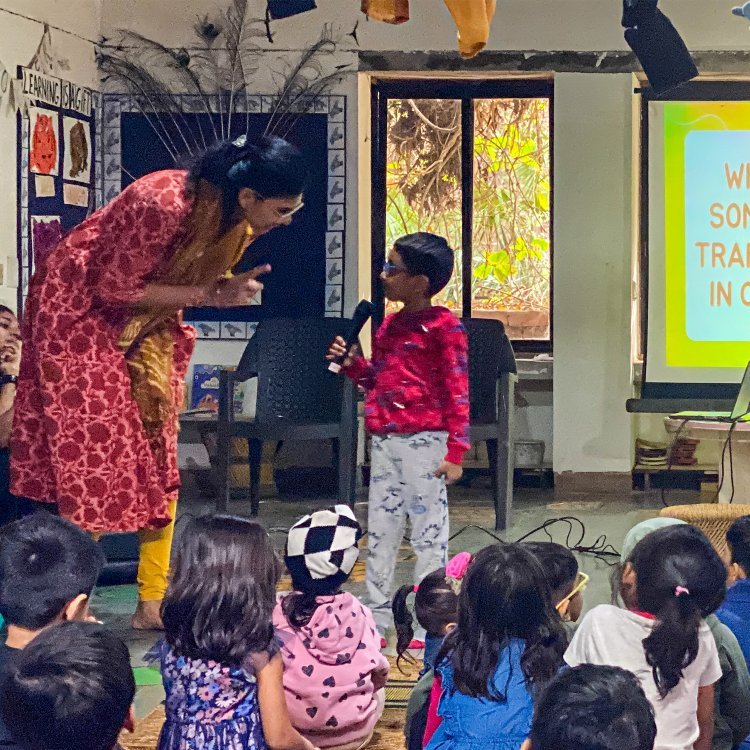
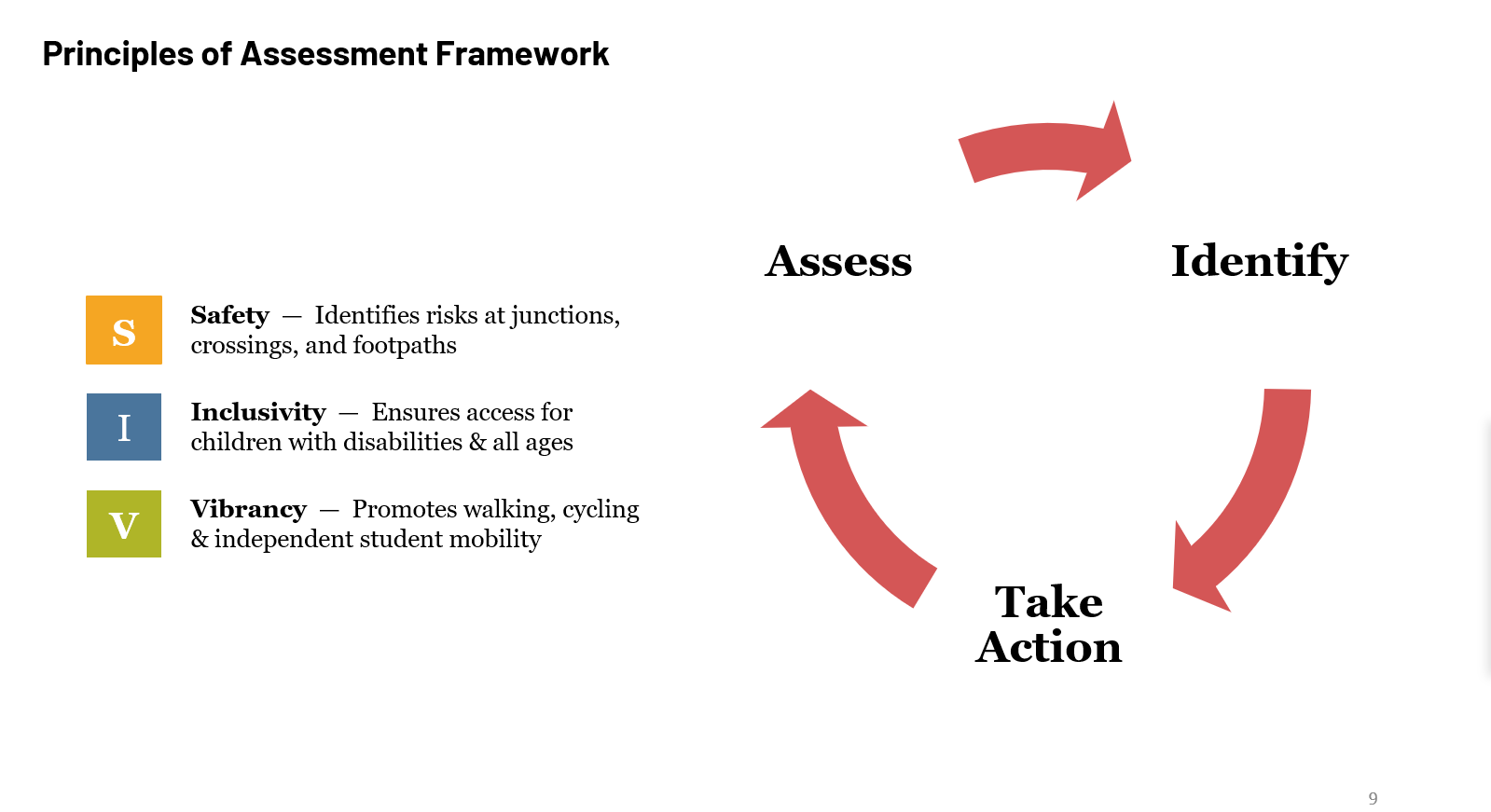
It is an ongoing child-centric road safety and urban design initiative aimed at improving streets and public spaces around schools. This initiative combines on-ground assessments, and engagement with school students, parents, school authorities, and municipal authorities in order to implement child-friendly design interventions in school zones.
We are currently in the process of developing a participatory school zone assessment toolkit which seeks to document both physical infrastructure gaps and user perceptions, and develop context-specific design recommendations aimed at reducing road risk and improving walkability, bikeability, accessibility, and the overall trip experience between home and school.
9489: In 2023, minors lost their lives in road crashes, accounting for 5.5% of total road crash fatalities.
1434: Road crash fatalities were reported around schools and colleges
What we hope to change
Through this project, we seek to transform school zones into urban spaces where children are not only safe from road crashes, but can also experience a calm, comfortable, lively, and nurturing environment. Thus, we hope to support cities in implementing child-friendly street design measures and traffic calming measures, improving pedestrian and bicycle infrastructure, and implement strict enforcement measures in school zone. In the long term, we envision cities where children can walk, cycle, and travel to school safely and independently, laying the foundation for healthier, more inclusive, and people-centric urban streets.