The 100-Junction Program
Get the BookJunctions and intersections are often major sources of road congestion and hotspots for accidents. They are places where motorized traffic shares space with pedestrians and cyclists, and where vehicles from different roads approach, merge, and diverge. Junctions need to function efficiently while ensuring the safety of everyone, creating an environment where complex movements feel safe and easy. Yet local authorities often respond with short-term fixes that don’t address the root cause. The 100-Junctions program was born out of the need for thoughtful, long-term design solutions. A team of architects, planners, and designers came together with a shared commitment to make sure people can move through junctions safely, efficiently, and with ease.
“Adding highway lanes to deal with traffic congestion is like loosening your belt to cure obesity”
- Lewis Mumford
About the initiative
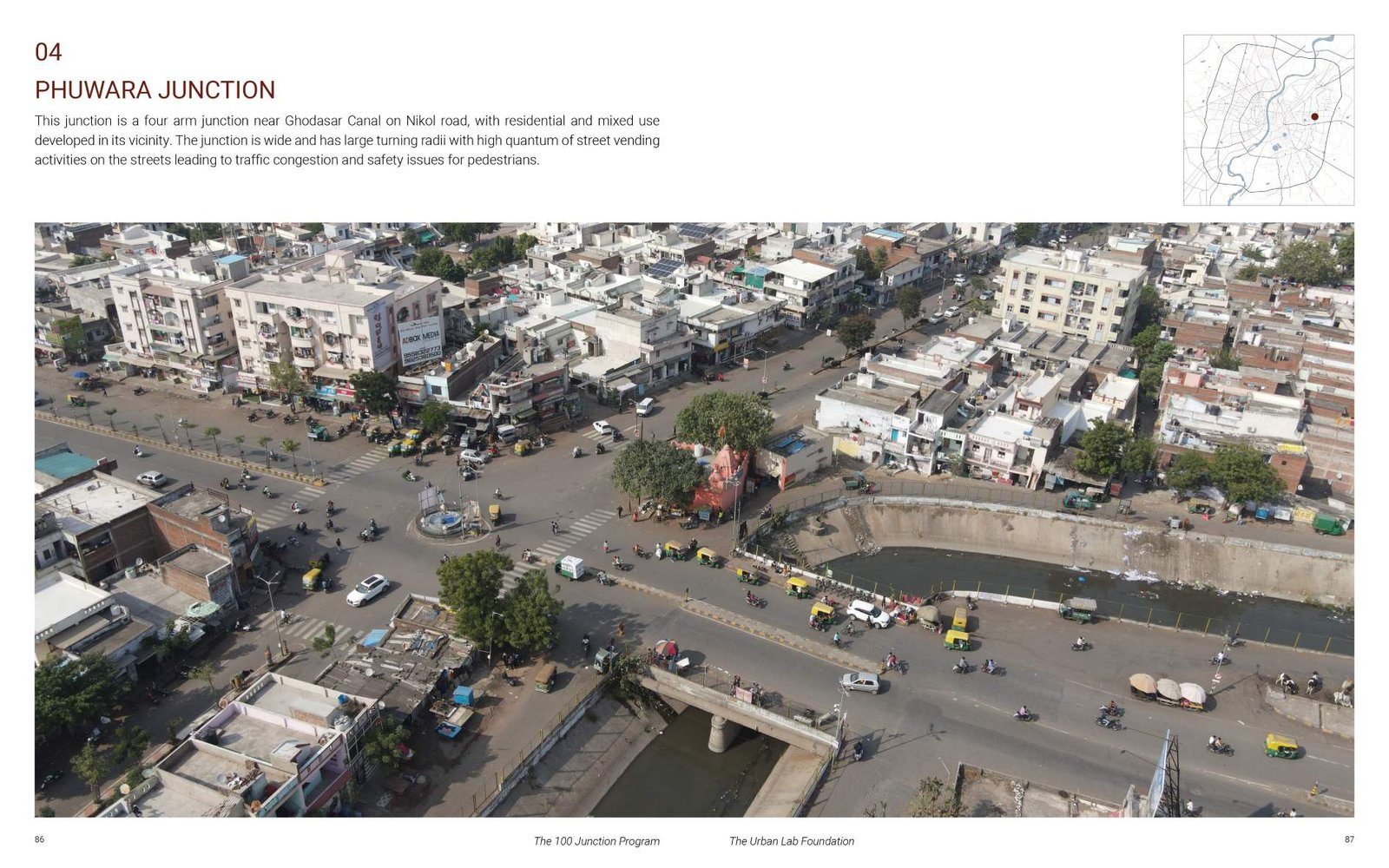
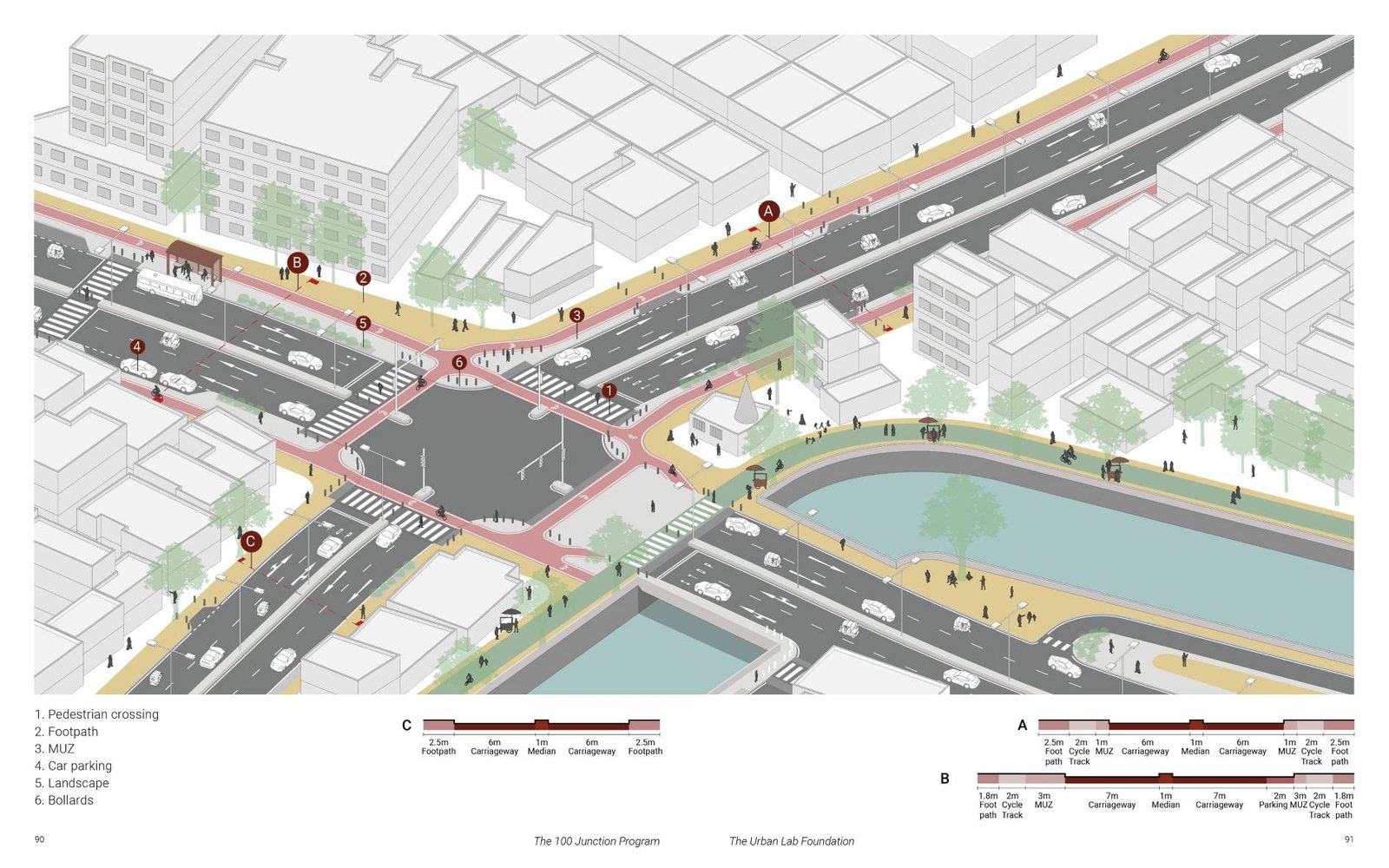
The idea for ‘The 100 junction Program’ came from a chance conversation in our office about the traffic situation in the city. With Ahmedabad’s rapid urbanization and growing population density, everyday traffic demand has risen sharply in recent years. As TUL Foundation’s home city, we understood its challenges better than most. To kick off the 100-Junction Program, our team chose 25 pilot junctions across Ahmedabad that had a history of safety concerns. These locations represented different types — T junction, Y junction, three-arm junctions, four-arm junctions, and more — giving us a diverse sample.
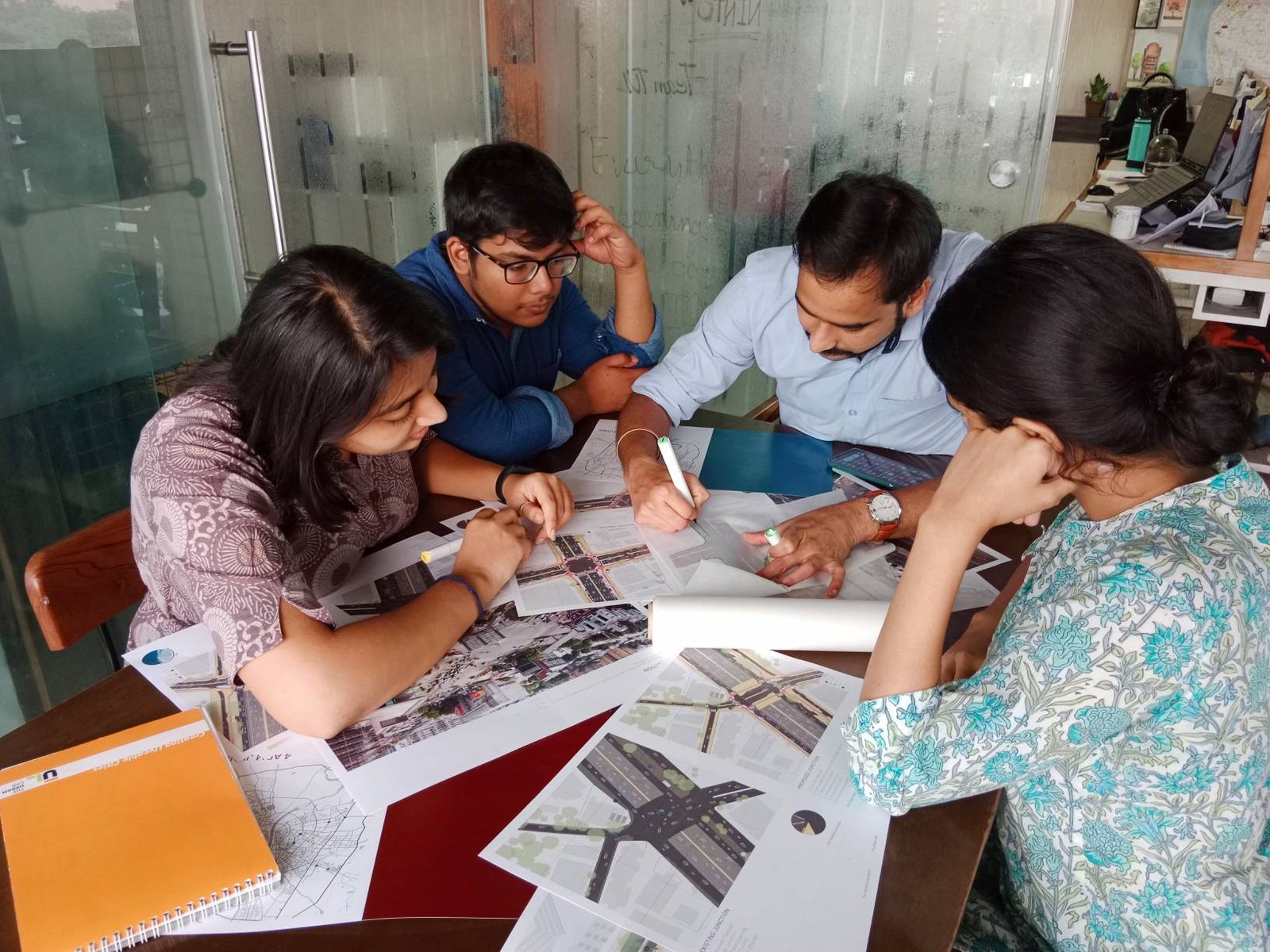
The study combined detailed site surveys with consultations involving city administrators, engineers, the traffic department, and other stakeholders to build a clear understanding of the challenges these spaces face. We explored every aspect of road safety — from engineering and enforcement to the effects of vehicle speed, the complexity of mixed traffic, and the heightened vulnerability of non-motorized users. Our sister organization, The Urban Lab, brings strong expertise in street design and shares our core belief in creating cities for people rather than vehicles. Together, we envisaged to create safe, accessible, and workable junctions for ‘all’. It is an initiative to shift junction design from a traditional from a traditional engineering approach towards an innovative and integrated street design approach.
What We Found
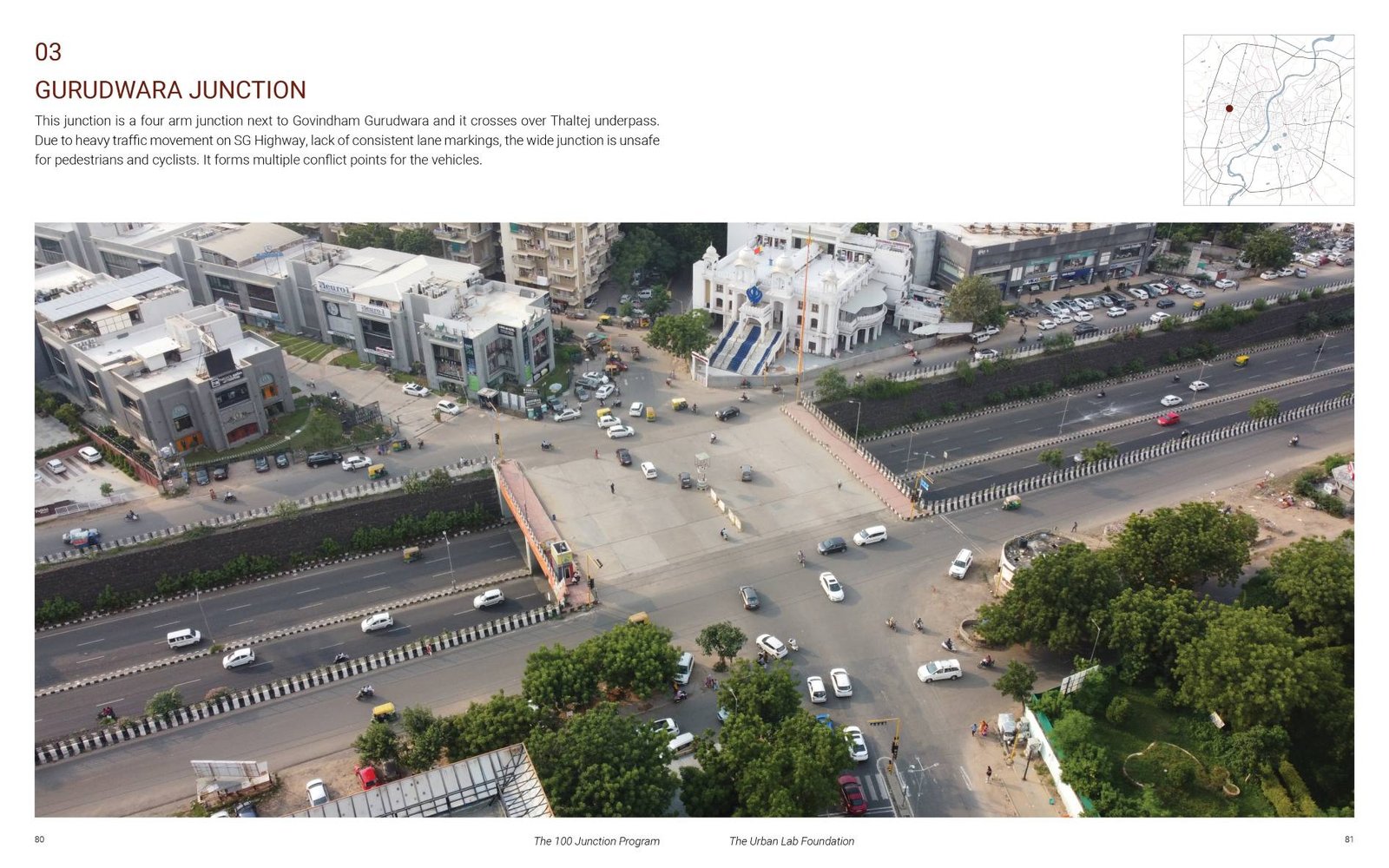
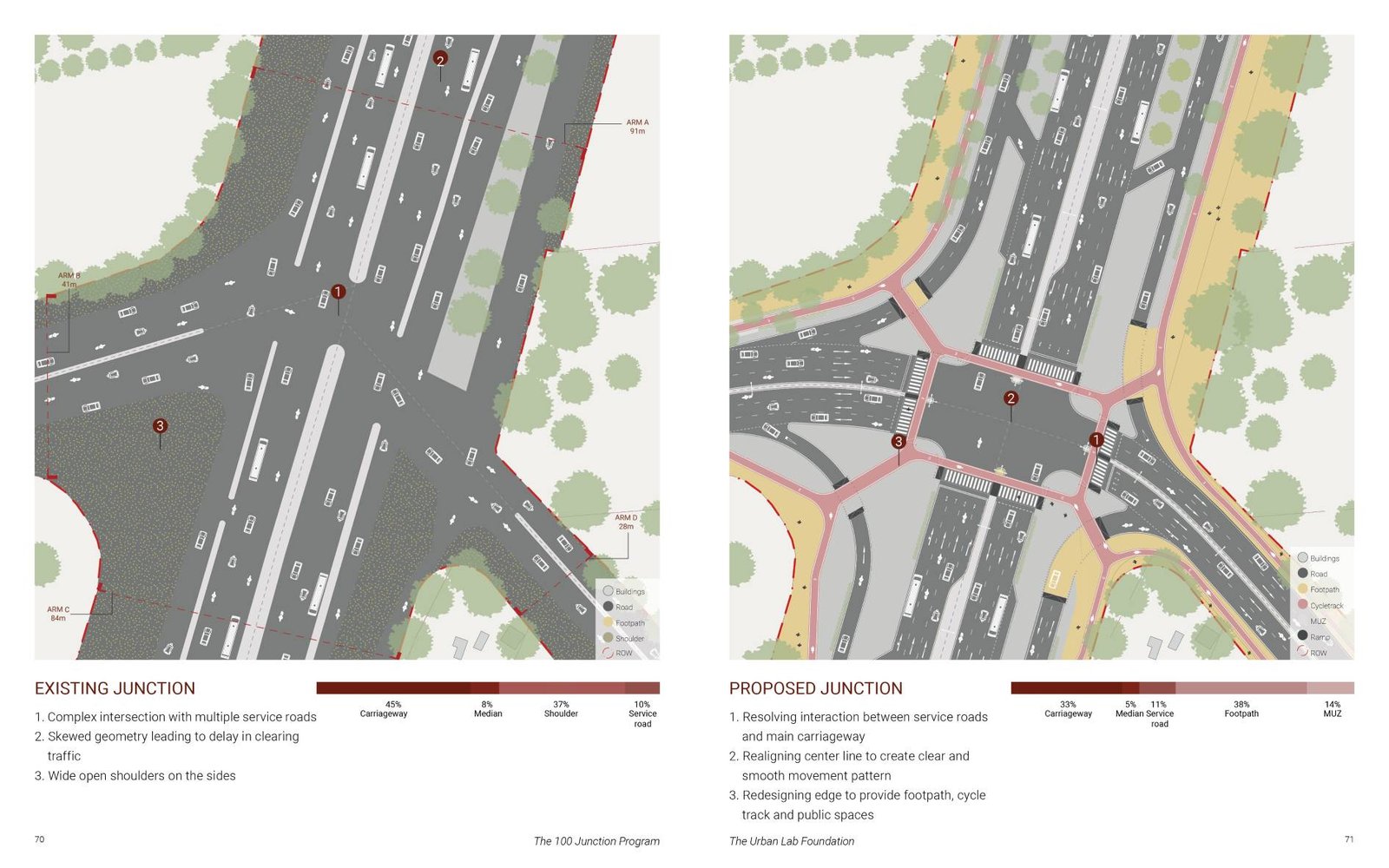
- Miss aligned geometry and uneven carriageway
- Lack of NMT infrastructure
- Absence, or poor maintenance of lane markings, crossings, and signages
Outcomes
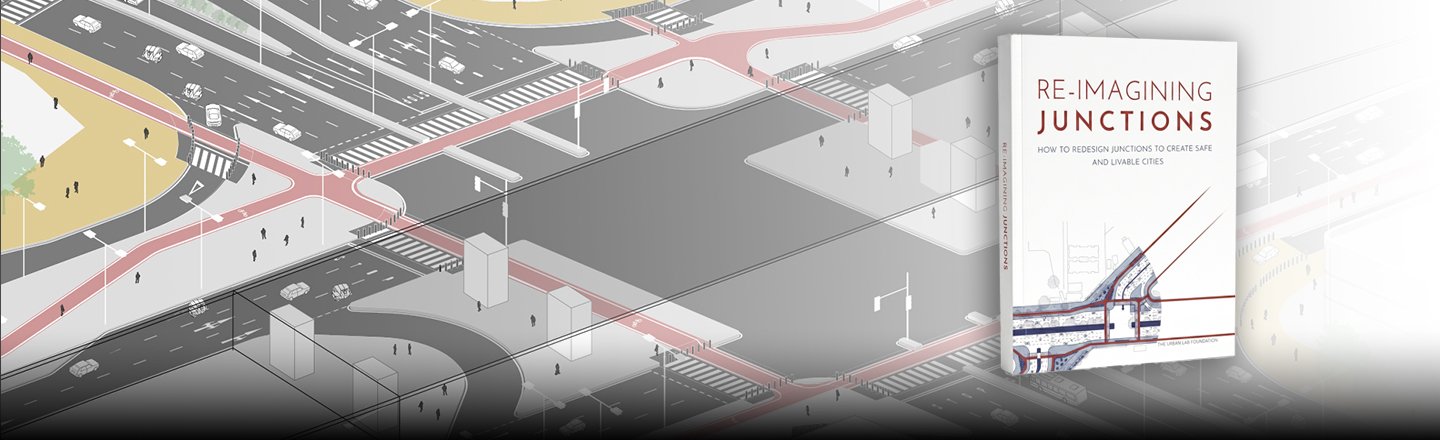
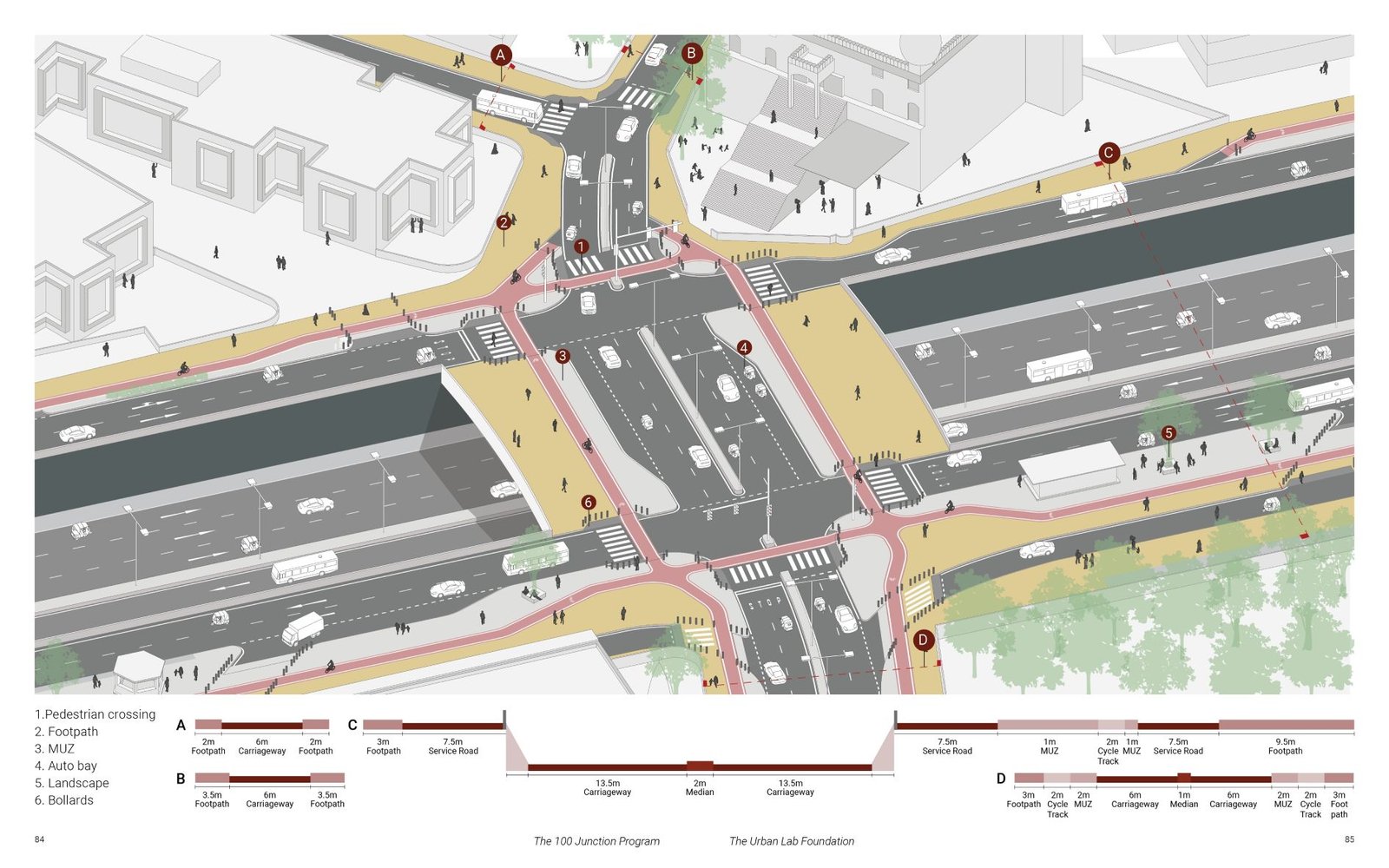
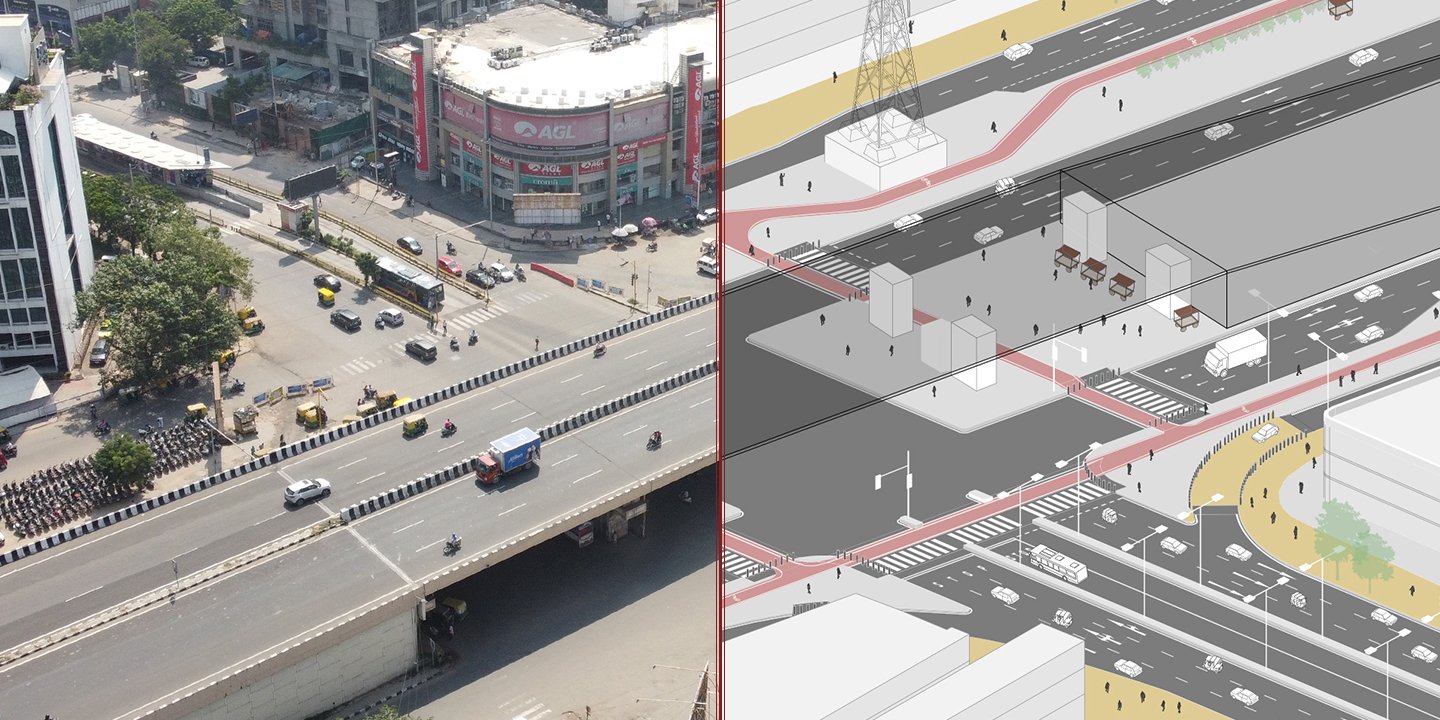
Two years of research, assessment, and design exploration culminated in the first edition of the Re-Imagining Junctions book, featuring 25 junctions across Ahmedabad. The book is now available for purchase, continuing its mission of equipping practitioners, students, and stakeholders with the knowledge to take meaningful steps toward designing safe, inclusive urban junctions.