Freight Emission Index for Walled City
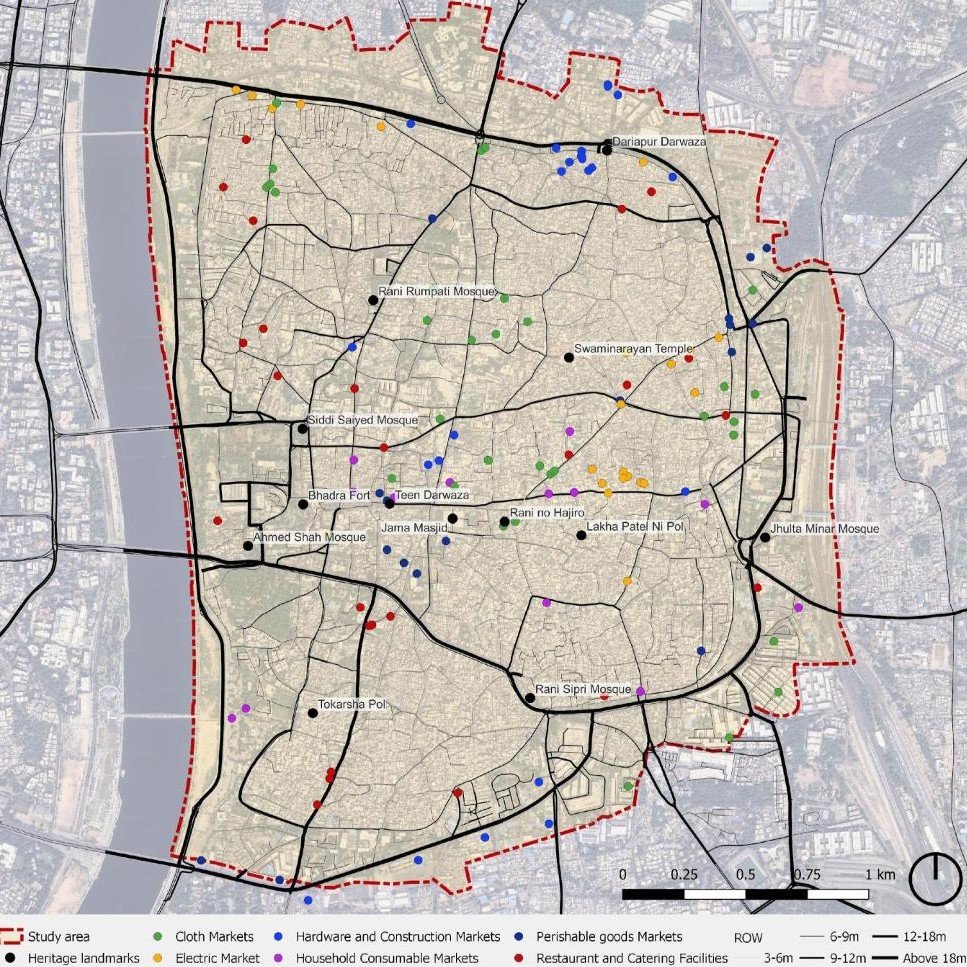
The project was initiated to address the growing environmental and operational challenges of freight movement in the Walled City of Ahmedabad, an area characterized by dense street networks, heritage constraints, and intense commercial activity.
Traditional freight operations in such environments lead to high emissions, inefficiencies, and congestion, with little existing data to quantify or manage these impacts.
Therefore, the Freight Emission Index Project was started to measure, understand, and improve freight emission efficiency, by developing a data-driven framework that identifies emission hotspots and proposes targeted, sustainable solutions for greener logistics in congested urban areas.
"Road freight contributes to about 40% of India's overall transport emissions — a figure set to rise sharply without intervention. Total freight movement in India will quadruple by 2050, and urban freight demand alone will increase by nearly 140%."
- NITI Aayog & RMI India, 2021
About the initiative
The Freight Emission Index Project is a data-driven initiative aimed at making urban freight movement more sustainable. Led by The Urban Lab (TUL) Foundation under a UK Aid initiative, it focuses on developing a Freight Emission Index to measure and improve emission efficiency in Ahmedabad’s Walled City — an area with complex street networks and dense commercial activity.
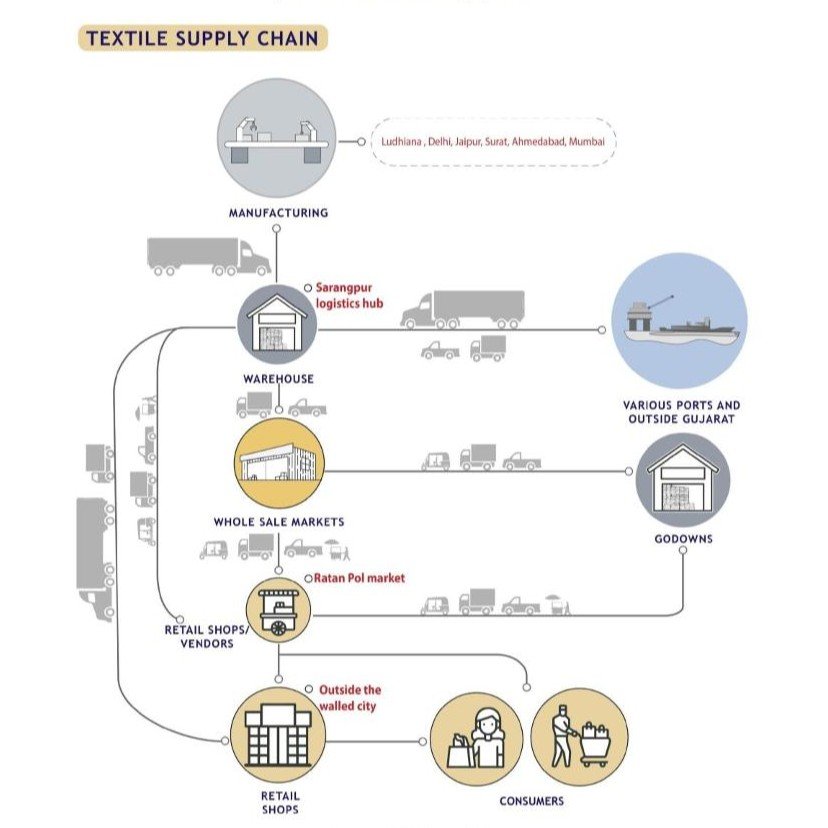
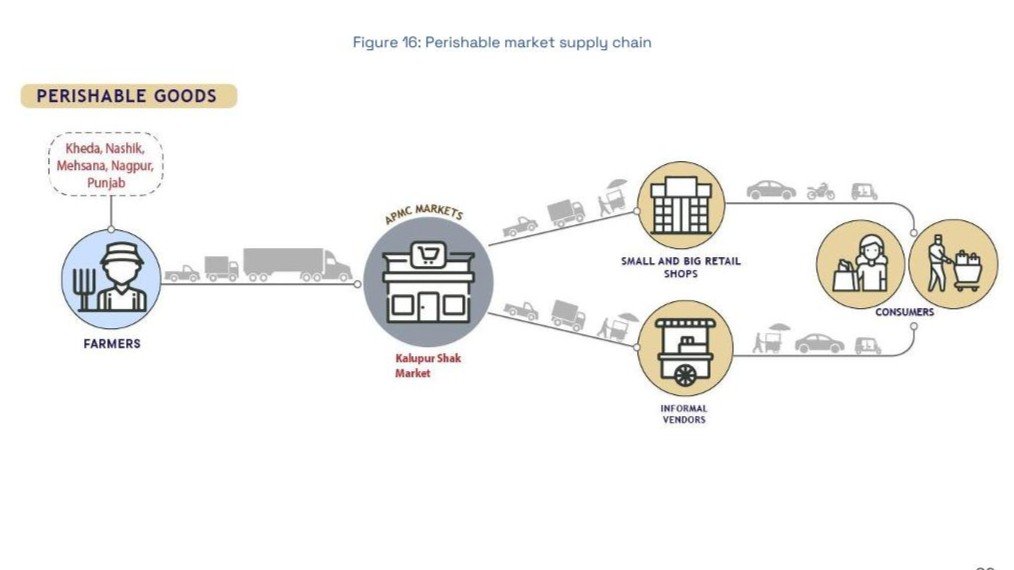
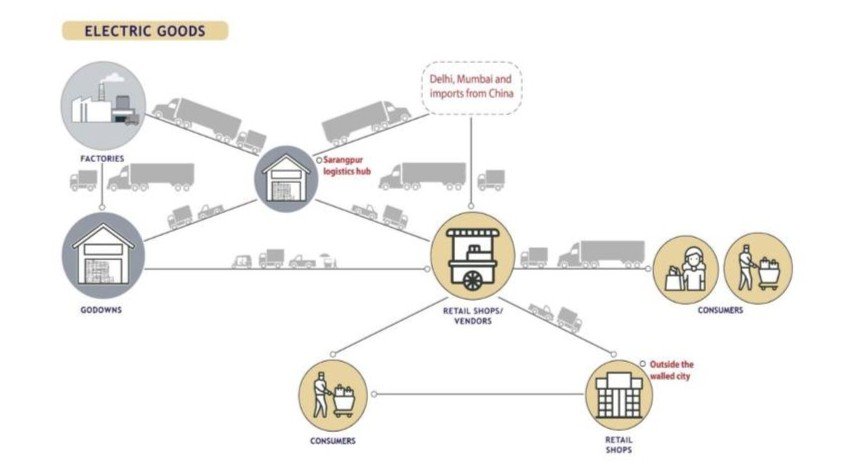
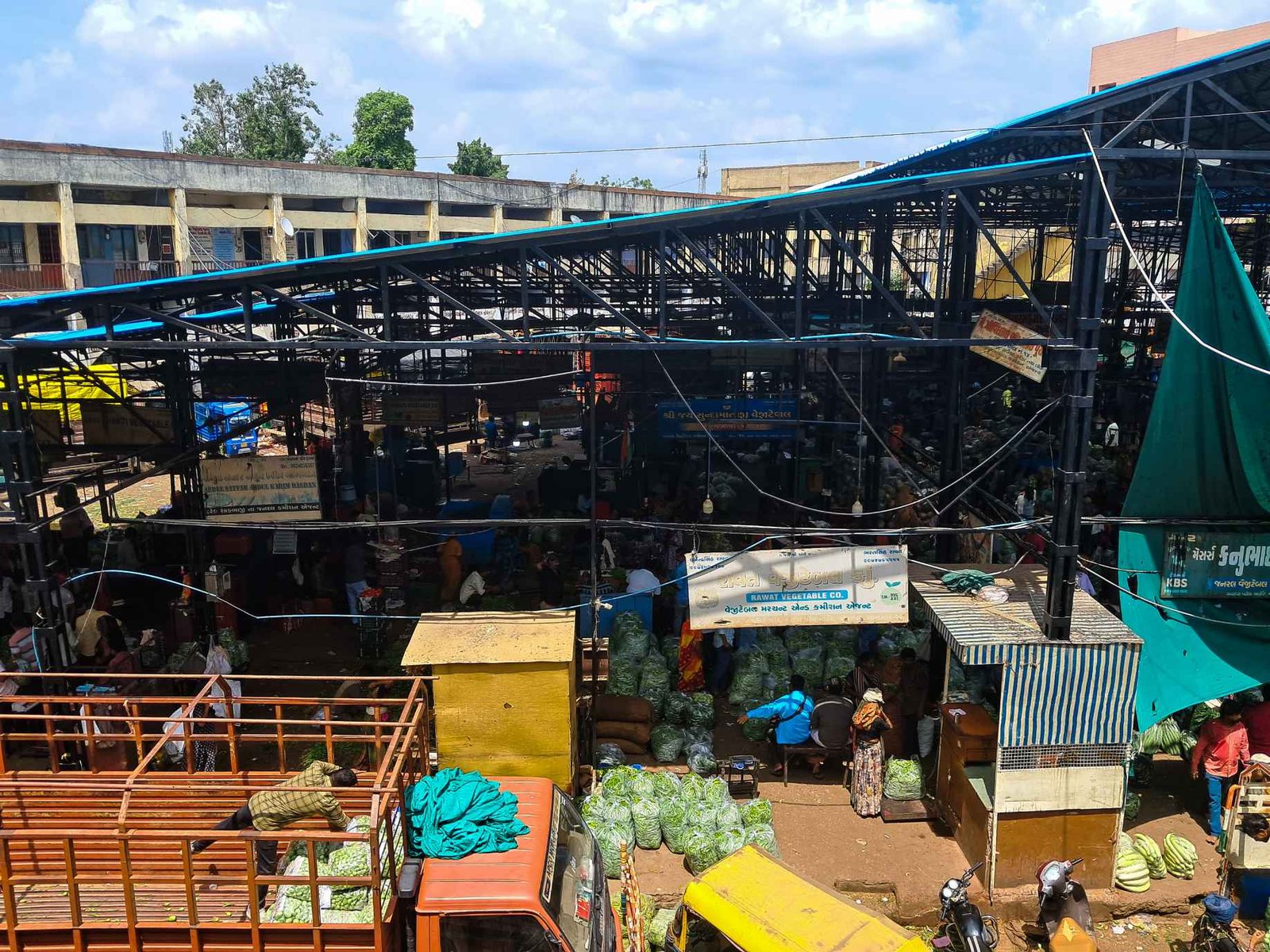
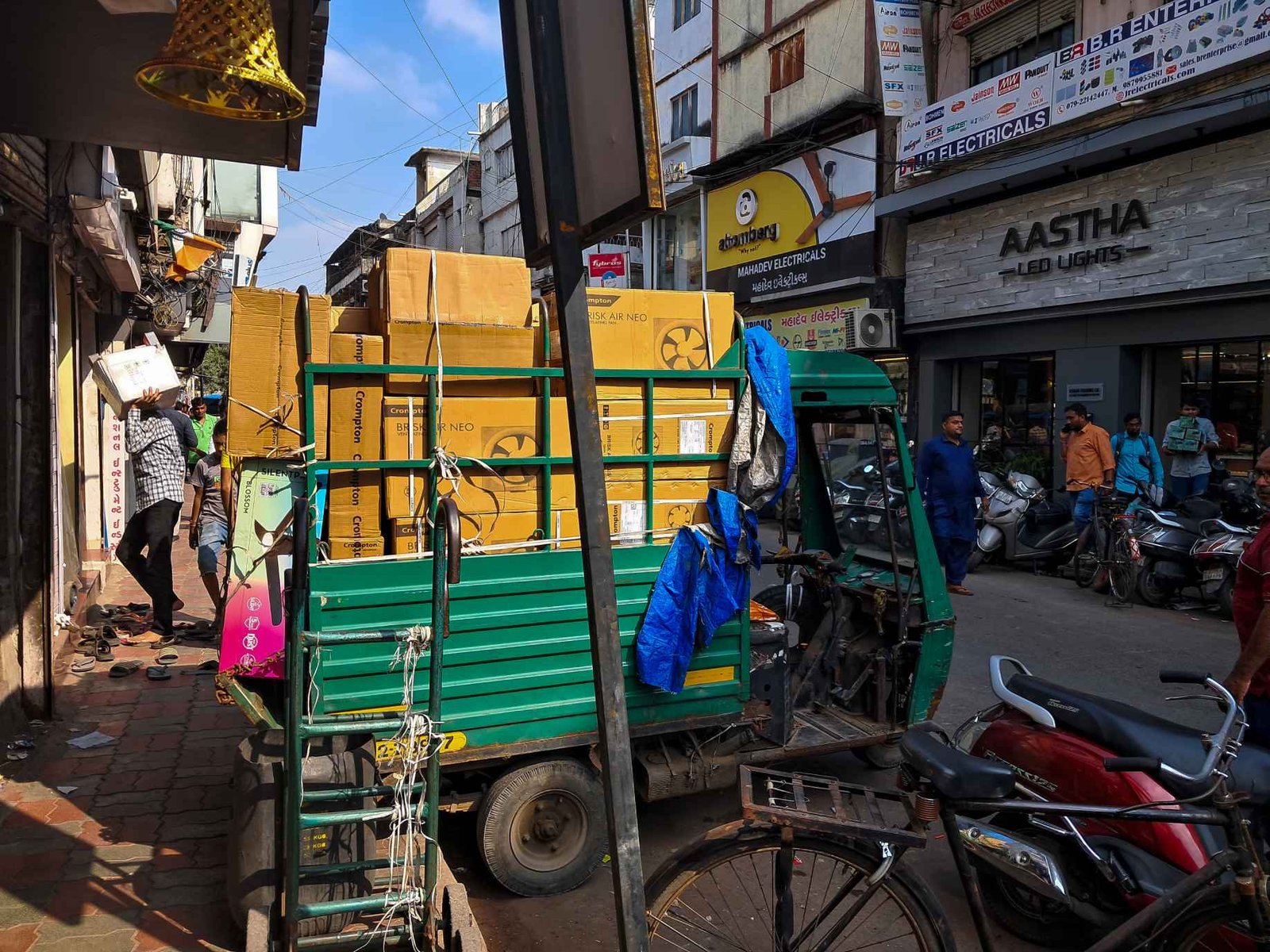
Through extensive fieldwork, including Cordon Volume Counts, Roadside Interviews, and establishment surveys, the project analyzed key commodities such as Perishables, Textiles, and Electronics to identify emission hotspots and operational inefficiencies. The resulting framework offers practical strategies for green logistics, emphasizing vehicle performance, route optimization, and collaboration among freight stakeholders.
Impacts
- Developed Freight Emission Index, which provided a framework to identify emission hotspots and inefficiencies across commodities and freight modes.
- Practical strategies for green logistics, including improvements in vehicle performance, route optimization, and coordination among freight stakeholders.
- A scalable model for emission-conscious freight systems in heritage-rich and high-density urban cores.