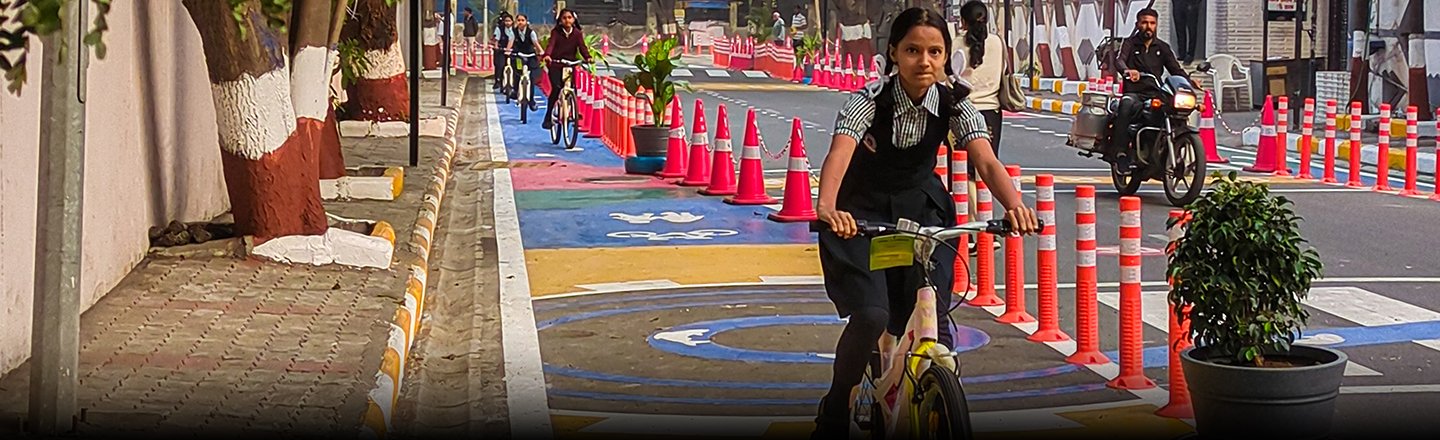
Cycle to School
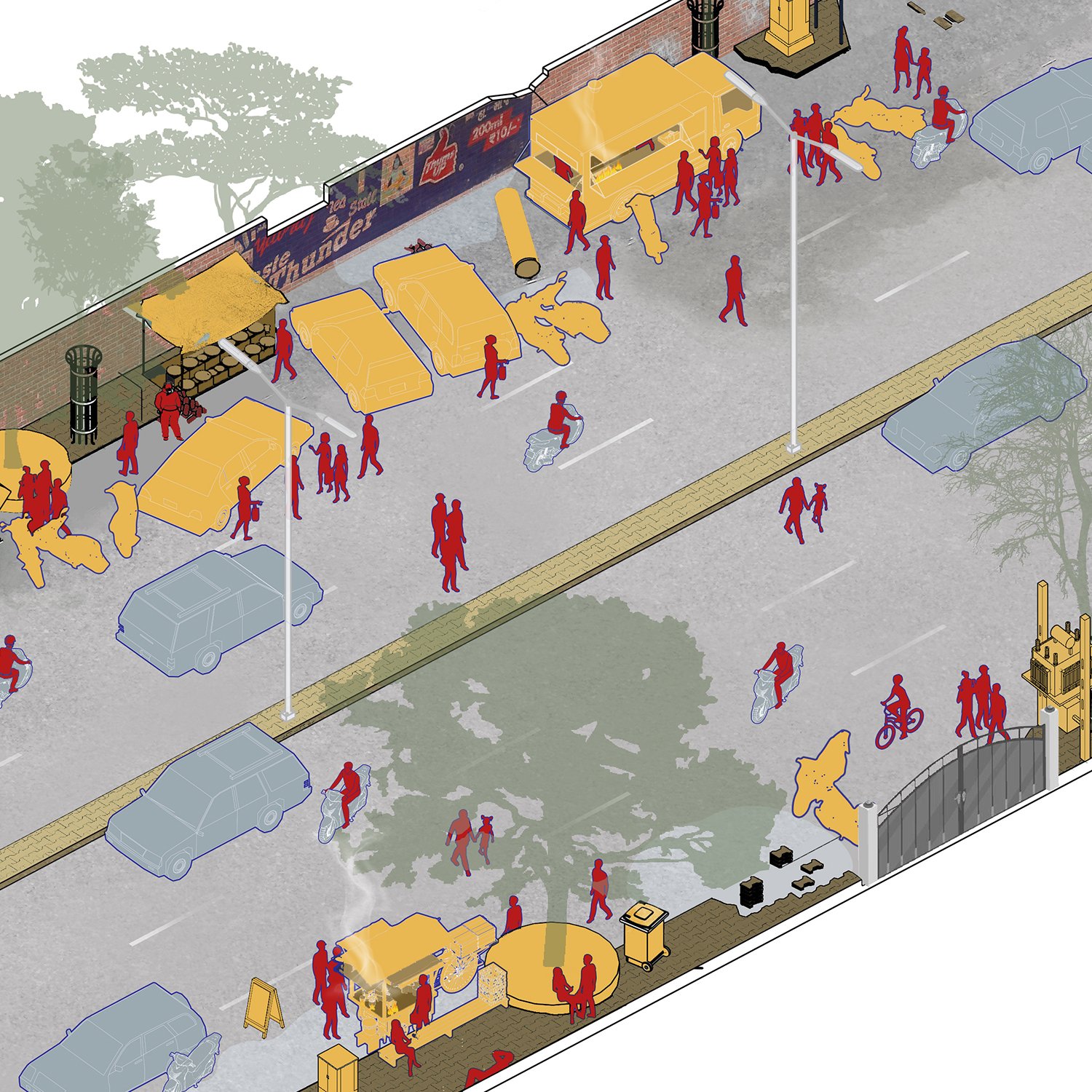
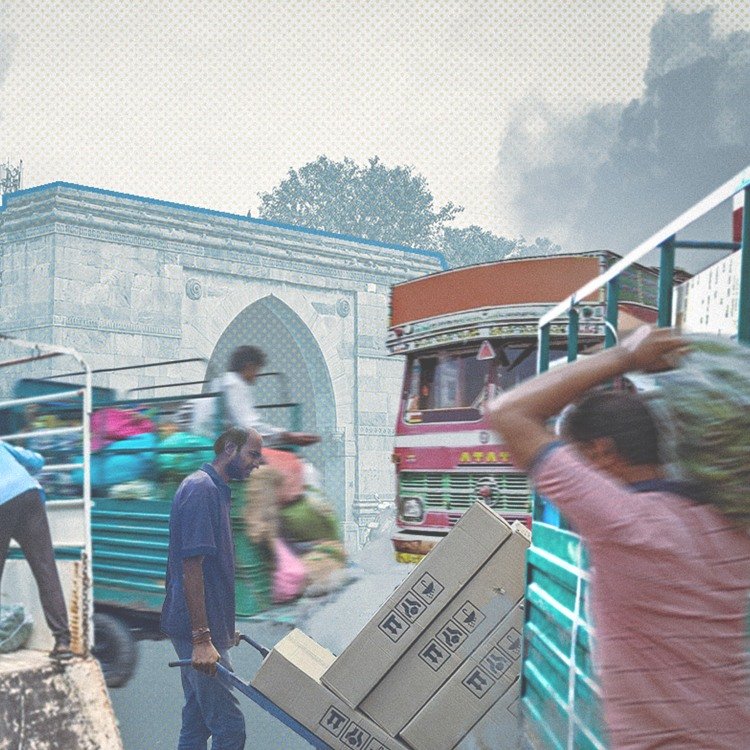
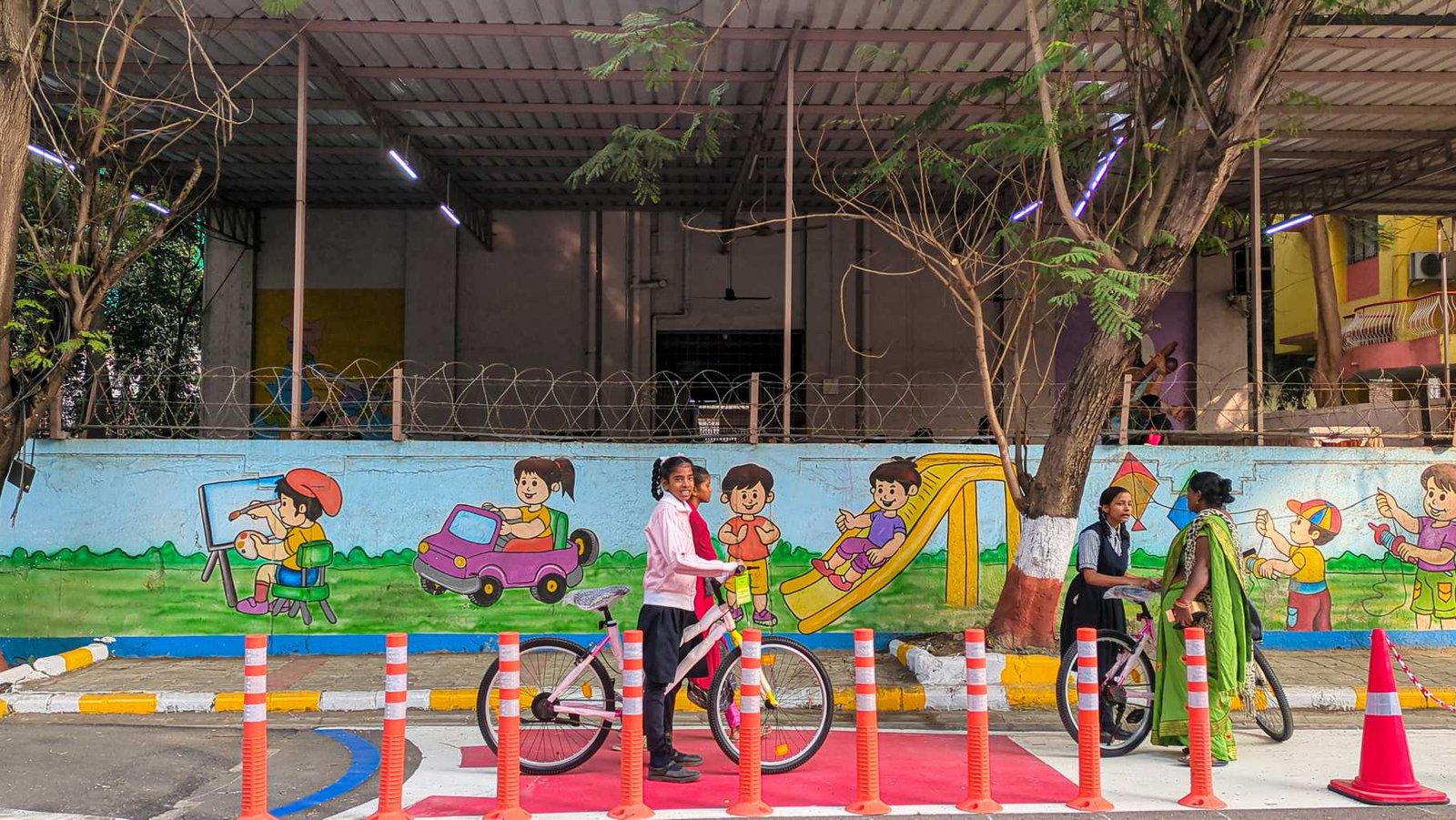
CYCLE2SCHOOL began as part of the Smart Cities Mission by the Ministry of Housing and Urban Affairs (MoHUA), Government of India, Surat Municipal Corporation and Surat Smart City Development Corporation Limited with one clear purpose to make the journey to school safer for children. With traffic growing fast in Indian cities, kids were facing more risks just trying to get to class. The initiative set out to create secure pathways by introducing cycling lanes, walking paths, and traffic-calming measures that would turn busy corridors into safe, welcoming environments for children.
"If you make more bicycle infrastructure, you get more bicycles... You get what you invite."
- Jan Gehl, Urban Designer & Author
About the initiative
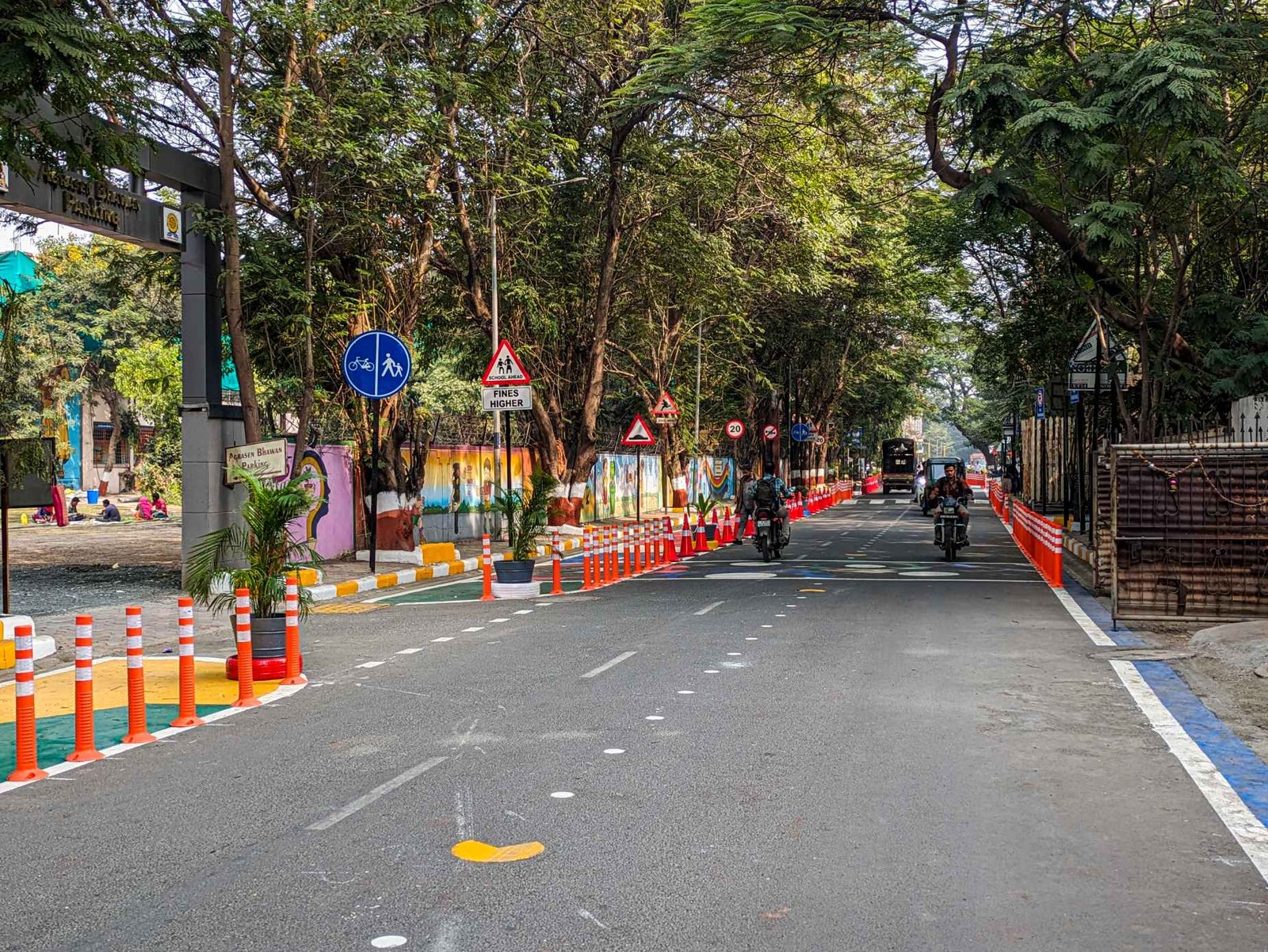
The first pilot of CYCLE2SCHOOL was launched in Surat, Gujarat, on January 8, 2024, along Vardhman Mahaveer Marg in the City Light area near Agrasen Bhavan. The intervention was delivered through a collaborative partnership between TUL Foundation and BYCS India.
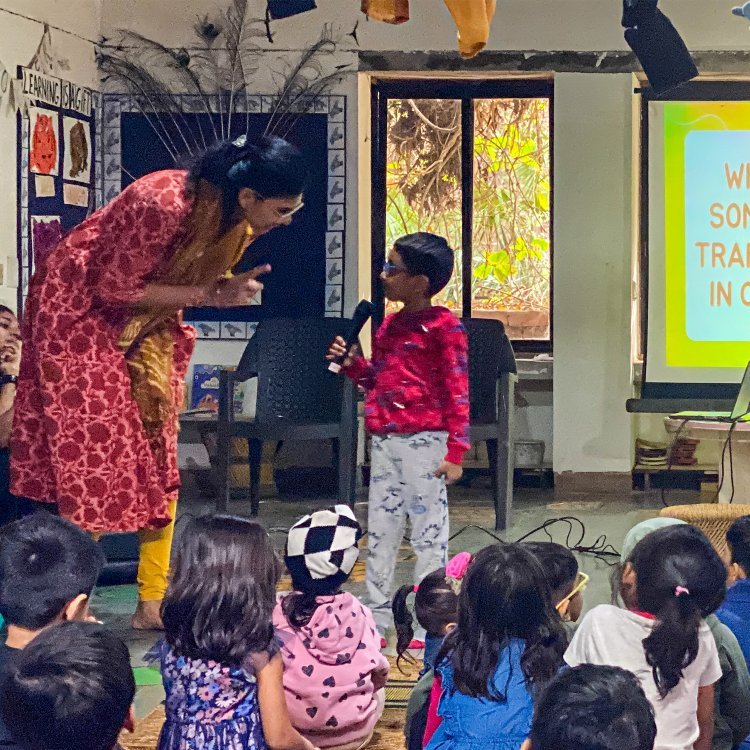
- BYCS India led extensive stakeholder consultations with schools, parents, and civic bodies
- TUL Foundation focused on street design and on-ground implementation
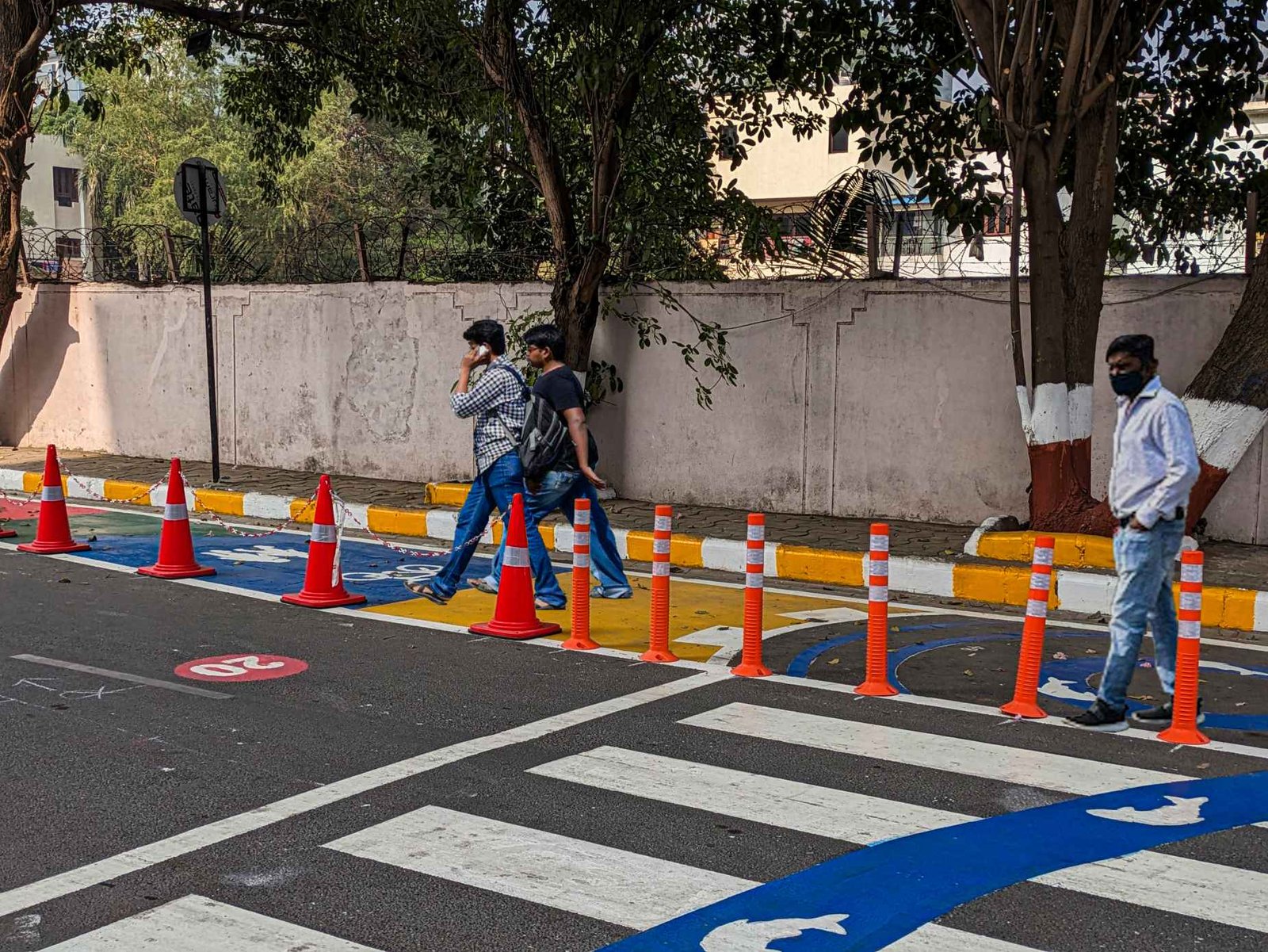
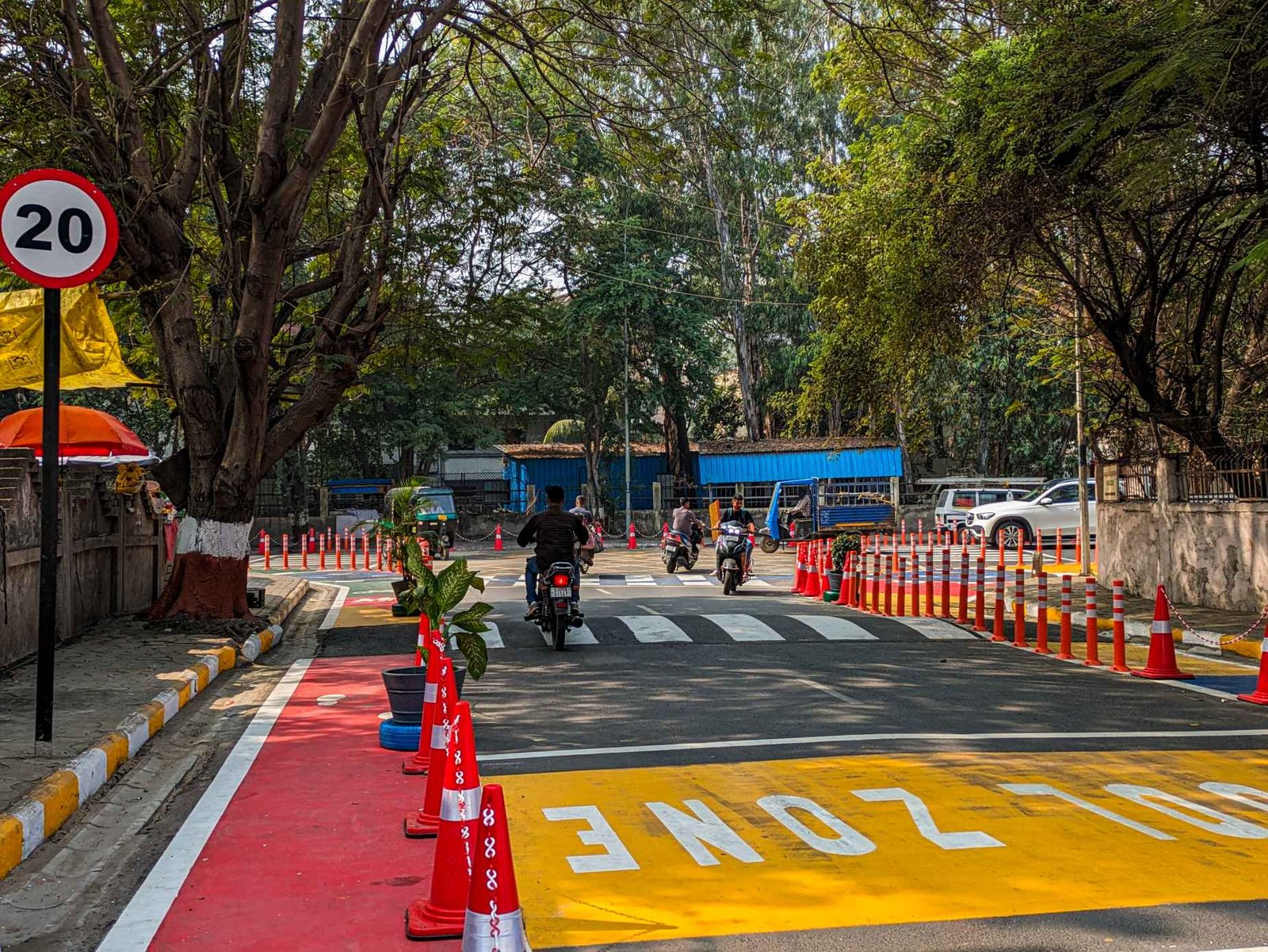
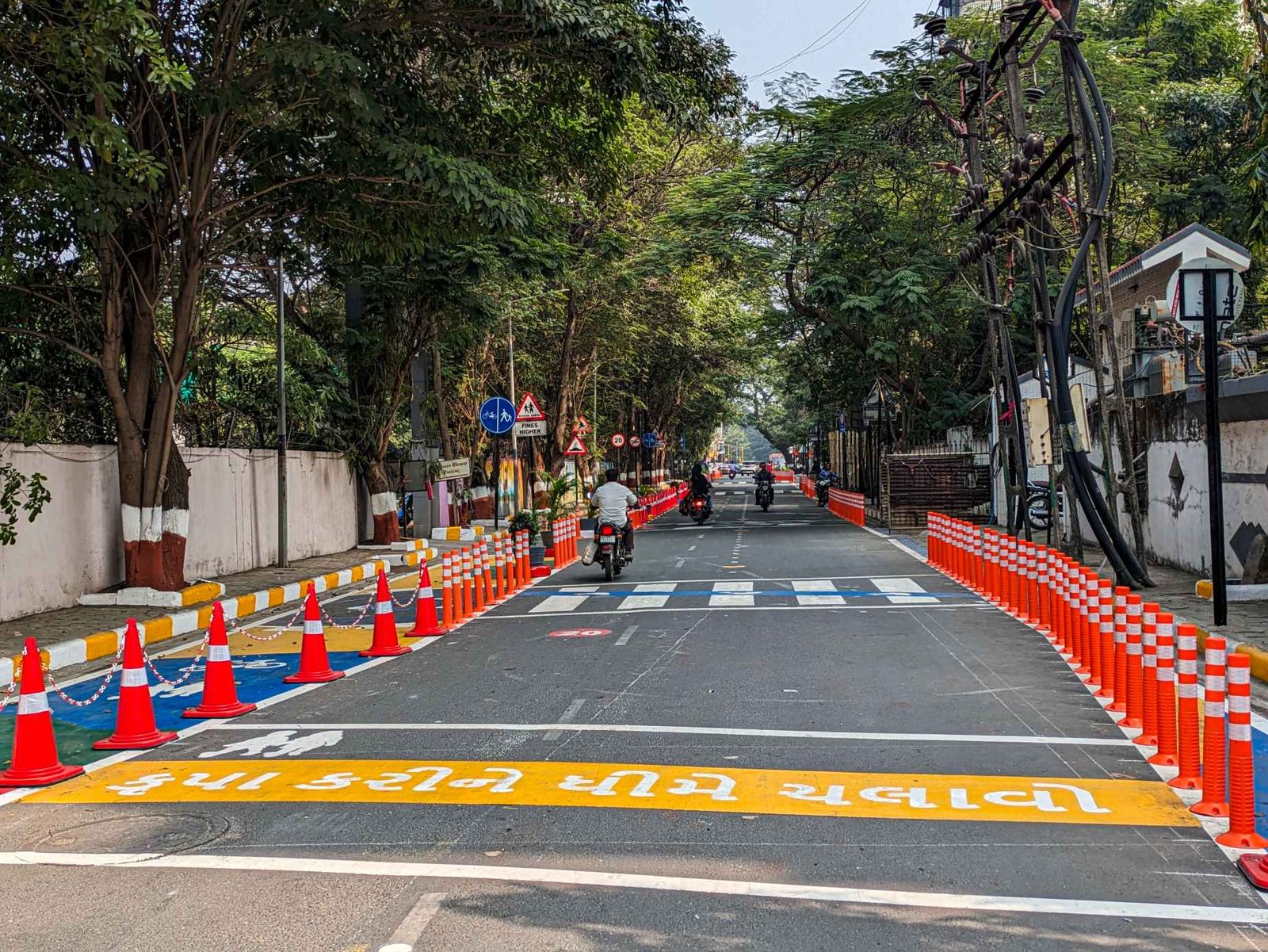
Through this effort, 1.1 km of urban street was redesigned using temporary measures and tactile interventions, ensuring a safer daily commute for more than 600 school-going children. Beyond on-ground improvements, the project also led to produce knowledge sharing tools including a short film documenting the process, a stakeholder engagement toolkit, and a replicable street design guide to inspire future child-centric street interventions across Indian cities. The success of this pilot has begun influencing municipal policies, encouraging the integration of child-friendly urban design principles into broader mobility planning.
Outcomes
- Improved pedestrian accessibility and comfort with junction redesign, upgraded footpaths, and the removal of parking conflicts.
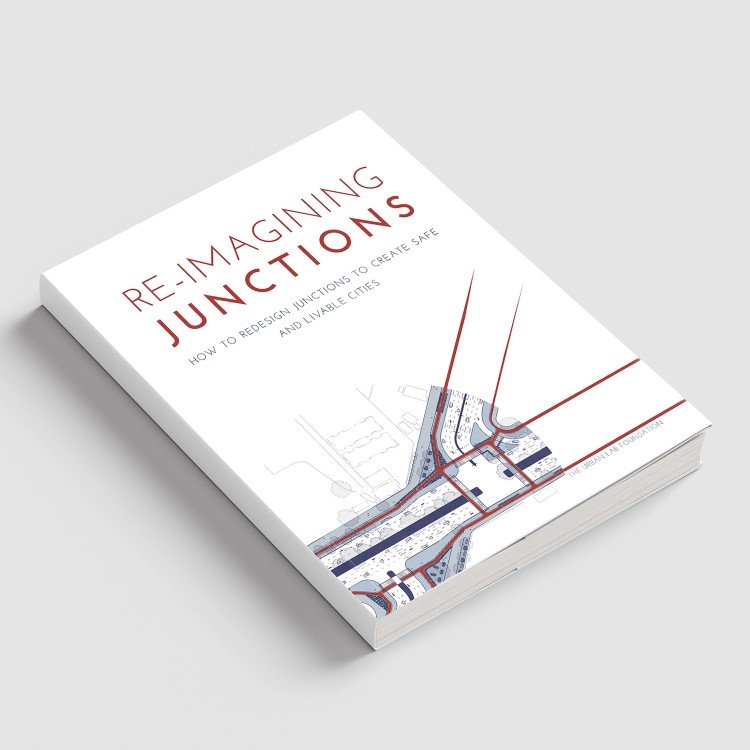
- Resources developed include a short film, an engagement toolkit, and a replicable street design guide to encourage similar child-centric street projects across Indian cities.
- Influenced municipal thinking on embedding child-friendly mobility principles into wider urban design and mobility planning.
Impacts
Significant rise in active mobility adoption among students due to safer, more attractive cycling and walking routes.
- 600+ School children are benefitted
- 1.1 km of road stretch