Inclusive Mobility - A case of Ahmedabad City
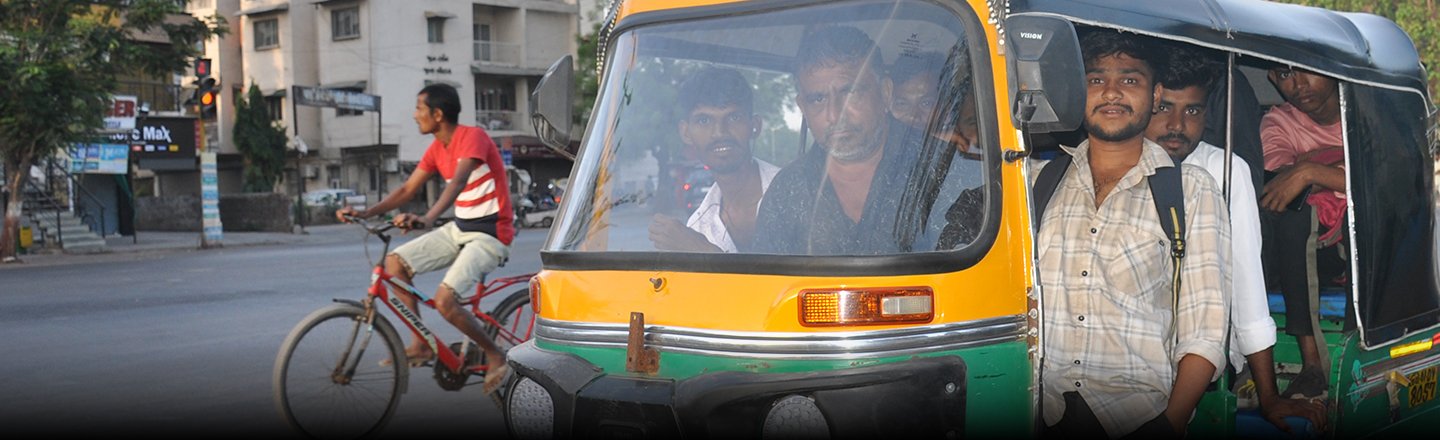
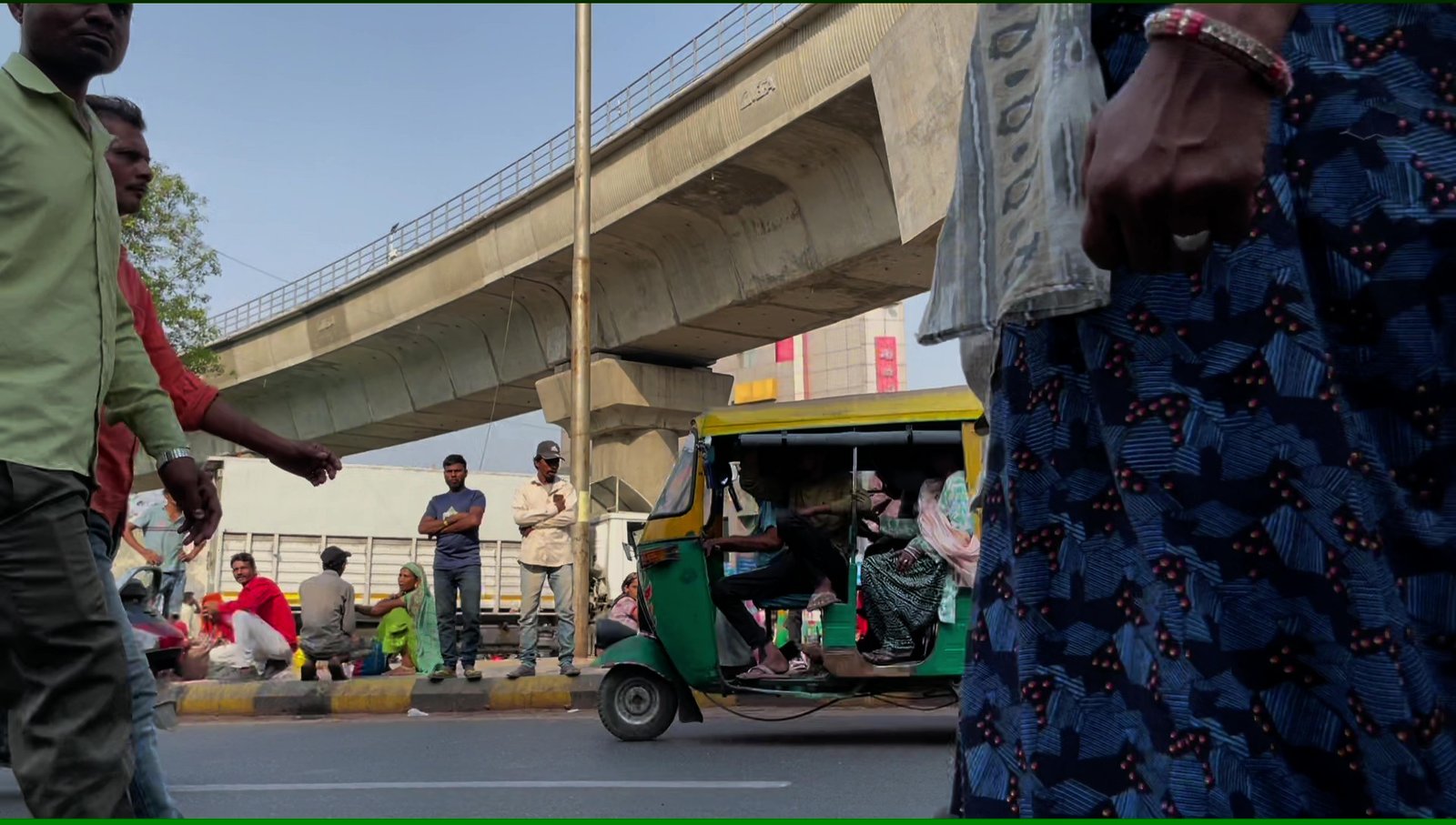
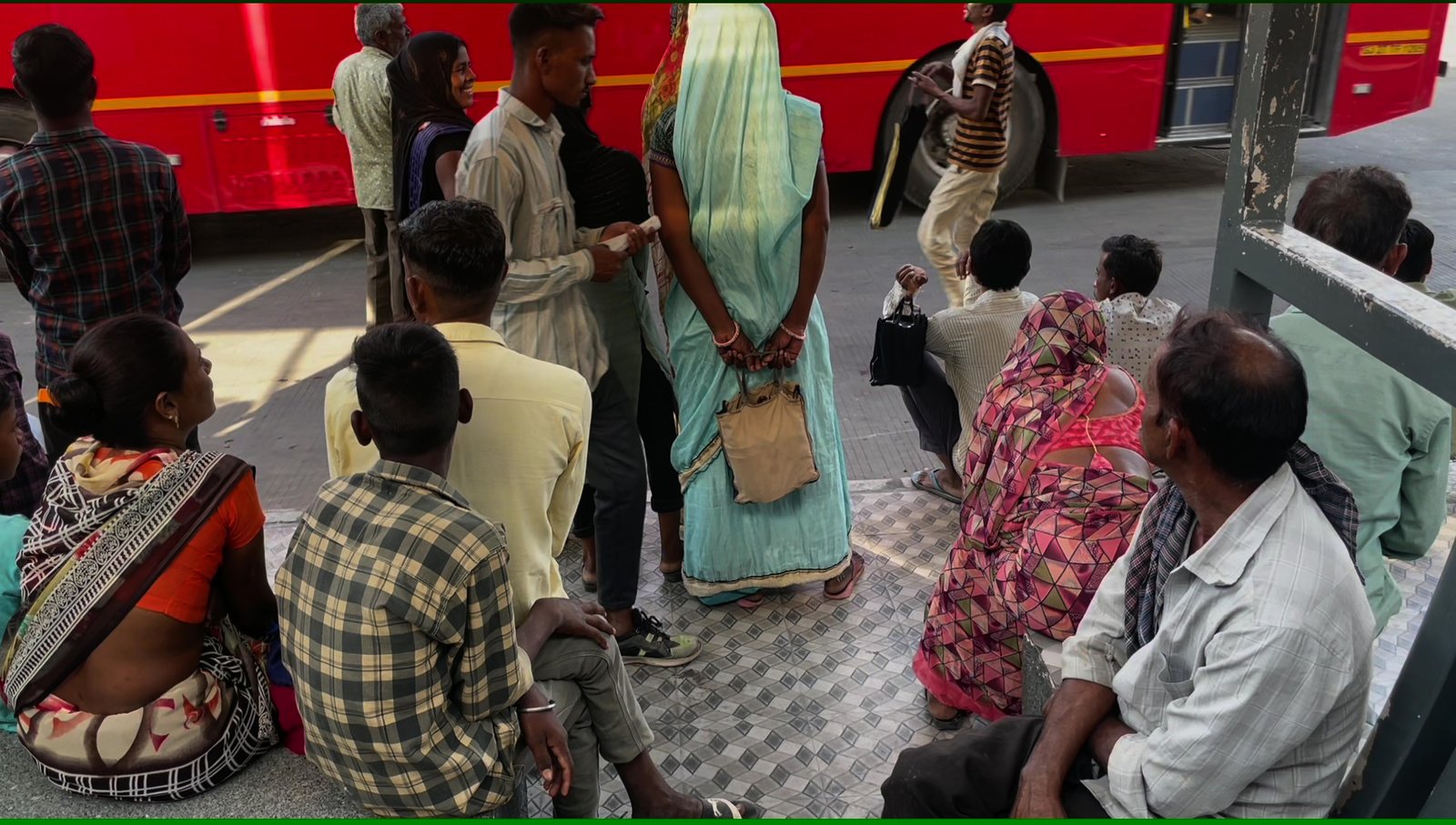
Urban mobility in our cities is often centred around formal economic centres and for the convenience of private vehicles users, often overlooking the mobility of vulnerable, and low-income groups. Thus, this study was conducted to understand the mobility patterns, i.e., how they actually move in a city, and needs, of the urban poor, along with the barriers they face in accessing existing mobility options in the city.
"The urban poor in India spend up to 20% of their income just getting to work nearly double the global benchmark."
- Centre for Science and Environment (CSE), The Cost of Urban Commute, 2019
About the initiative
Mobility for the Urban Poor was a study conducted by TUL Foundation in collaboration with INHAF to understand mobility patterns of underprivileged population of the city. The study observed mobility-related choices made by the vulnerable groups to understand the factors that govern their choices. A diagnostic study was conducted of the planning process that influences urban transport investments.
Impacts
- Mapped systemic gaps between the community’s mobility needs and the city’s transport investment priorities.
- Generated insights into how the urban poor navigate the city, including barriers related to affordability, safety, and last-mile connectivity.
- Produced evidence linking transport equity with broader issues of poverty and urban exclusion.
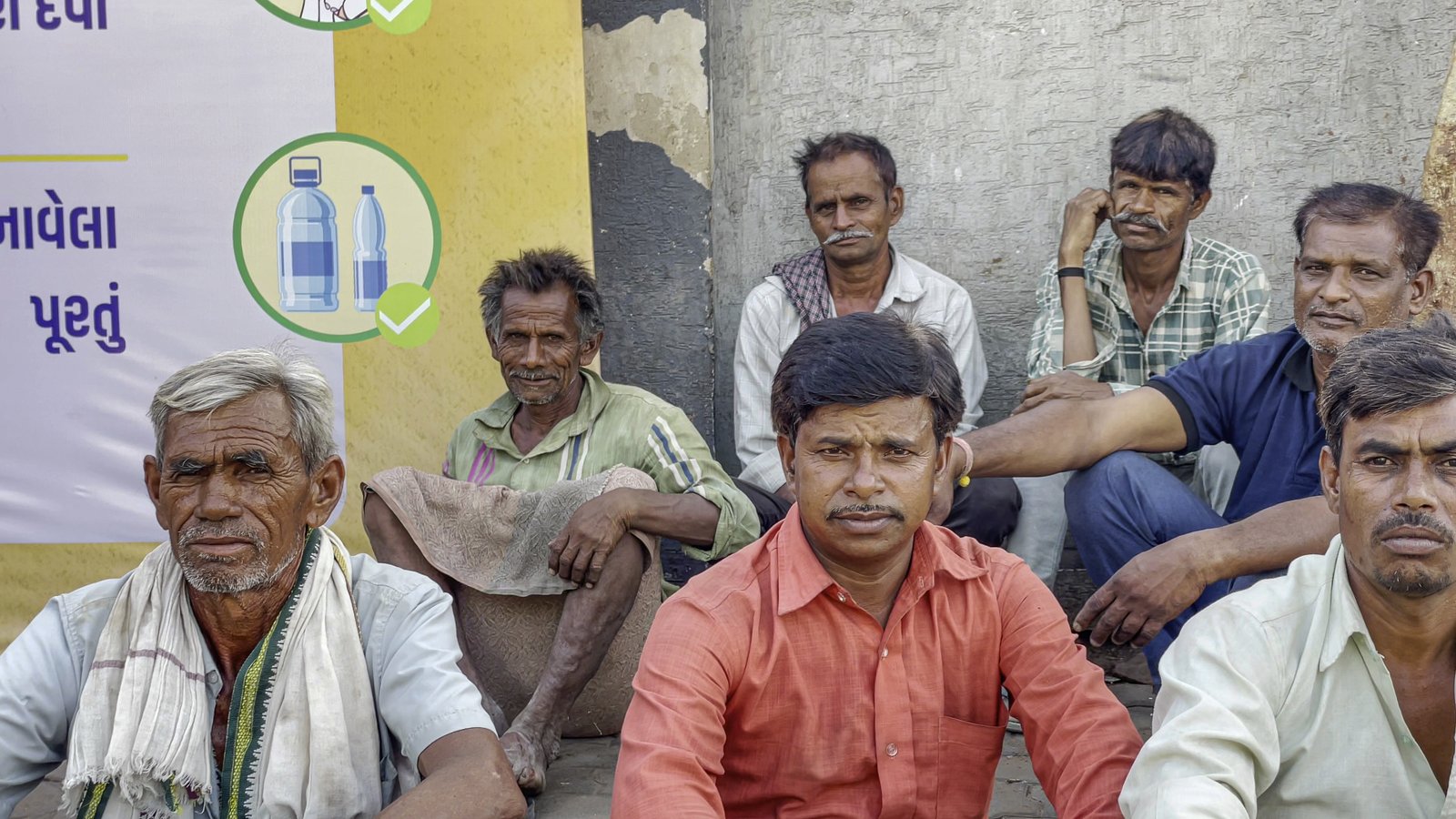
- Captured the voices of marginalized communities into urban mobility discourse, to reflect their realities.
- Generated insights for the urban planners and policymakers about the inequities in transport related investments in the city identifying probabilities for more inclusive budgeting and infrastructure.
What we hope to change
We seek to bridge the critical gap between how mobility is prioritised and planned in cities, and the needs of the urban poor, for whom access to affordable, reliable, and safe transport is not merely a matter of convenience, but directly determines access to livelihoods, education, healthcare, and social opportunities.